Plazza Raises $15M Series A to Solve India's Pharmacy Inventory Gap with AI
The AMW Read
Novelty=1 as AI pharmacy inventory is an established concept; significance=1 within healthtech vertical only.

Plazza Raises $15M Series A to Solve India's Pharmacy Inventory Gap with AI
Bengaluru-based pharmacy quick-commerce startup Plazza has raised a $15 million Series A round co-led by Accel, Elevation Capital, and Nexus Venture Partners, with participation from All In Capital and Better Capital. The company operates technology-enabled neighborhood pharmacies that use AI-driven inventory intelligence to stock over 40,000 SKUs per location, achieving prescription fill rates above 95% compared to the industry norm of 50-60%. Founded in 2024 by former Zomato and Kenko Health executive Aman Priyadarshi, Plazza currently operates two stores in Bengaluru and plans a city-by-city expansion over the next twelve months, following a $1.4 million seed round in September 2025.
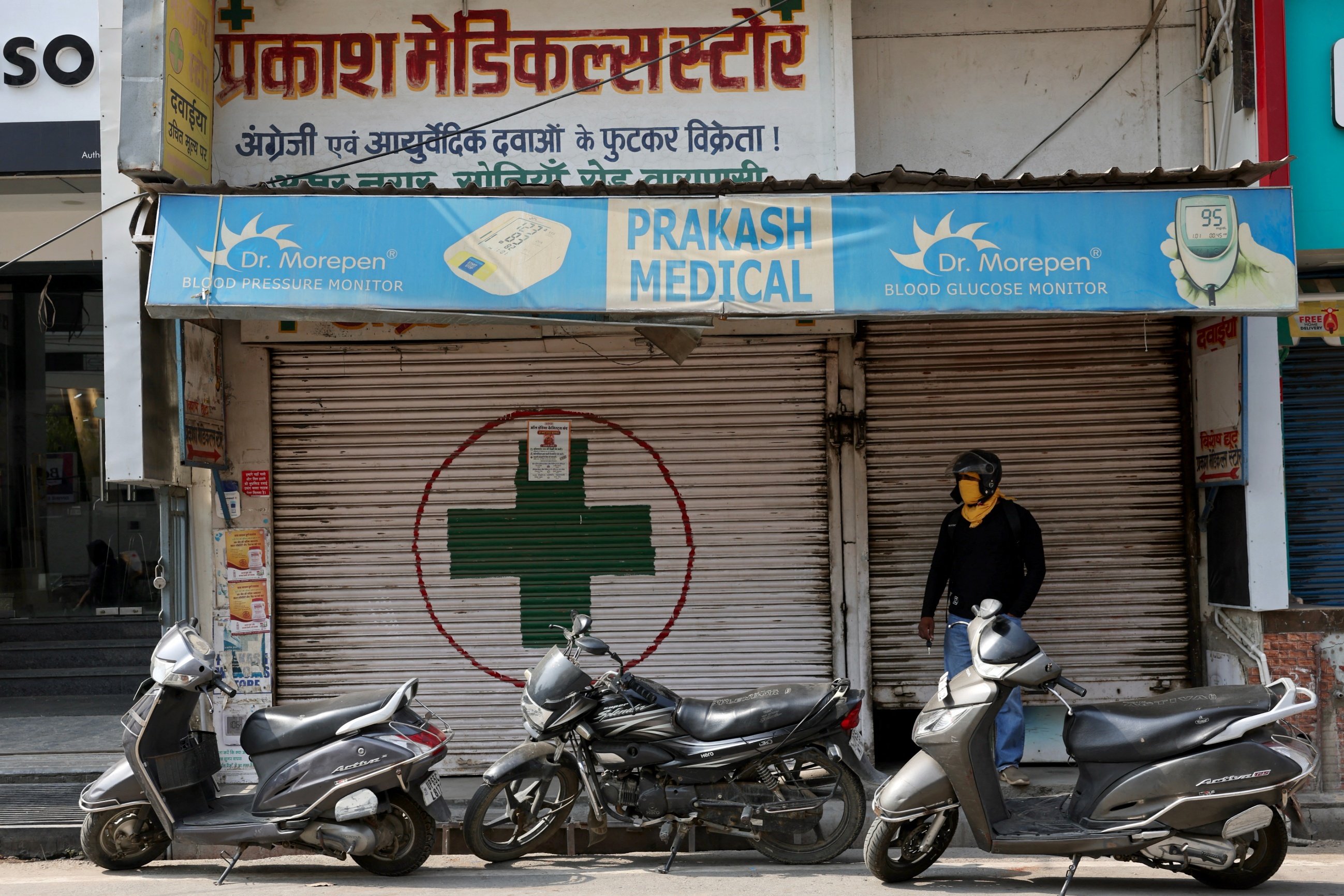
Why it matters: Plazza's model addresses a structural failure in India's $60 billion pharmaceutical market, where 89% of 850,000 retail pharmacies are small independents that stock only fast-moving items, forcing patients to visit multiple stores to fill multi-drug prescriptions. The company's AI system ingests local prescription transaction data to predict neighborhood-specific demand patterns—accounting for nearby specialists, hospital catchment areas, and local disease burden—rather than applying generic grocery-style inventory models. This represents a vertical-specific application of AI to a physical retail logistics problem, distinct from the broader quick-commerce sector where analyst Bernstein notes the market is in "another year of discovery, not profits."
Expert take: Plazza competes less against other quick-commerce players than against the structural fragmentation of Indian pharmacy retail itself. The technical challenge is genuinely hard: pharmaceutical demand signals are hyperlocal, shaped by which physicians practice nearby and what chronic conditions dominate the population, rendering standard zone-level demand forecasting inadequate. The founding team's background—logistics at Zomato combined with healthtech at Kenko Health—suggests operational competence, but scaling from two stores to city-wide coverage requires solving both unit economics of medicine fulfillment and regulatory relationships with India's powerful chemist trade associations, which have historically opposed e-pharmacy models. The $15 million round provides runway to prove whether AI-powered hyperlocal inventory can achieve sustainable margins.