Amazon accelerates on-device AI chip design and plans screenless AI wearable
The AMW Read
Updates consumer hardware player map and on-device silicon trend; announces a screenless AI wearable, which is incrementally novel but doesn't resolve an open debate or add a new top-tier entrant (2/2).
Amazon accelerates on-device AI chip design and plans screenless AI wearable
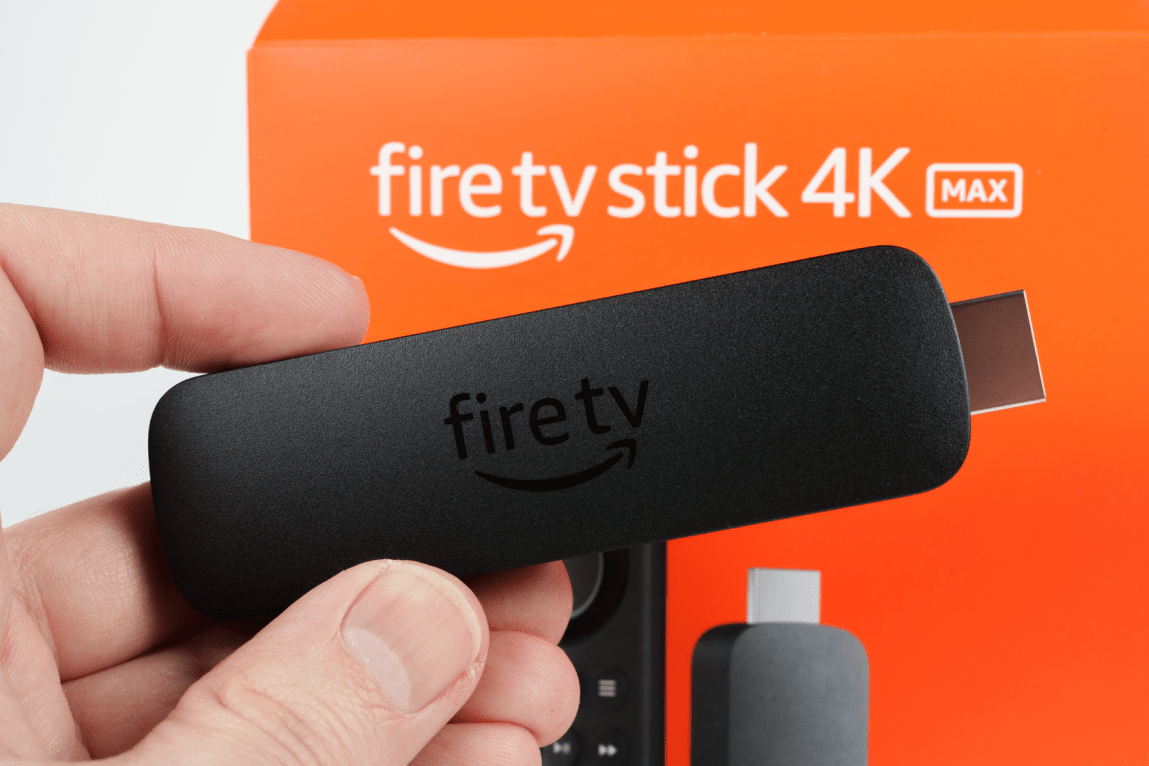
Amazon is accelerating its on-device AI chip strategy and signaling a major hardware pivot. During a CNBC podcast appearance, Panos Panay, SVP of Devices & Services, confirmed that Amazon now designs end-to-end silicon for core products including Echo Show and Fire TV, with its AZ3 and AZ3 Pro chips handling AI inference locally. He also revealed that Amazon is actively developing a portable, screenless AI device designed for continuous voice interaction, building on last year's acquisition of AI wristband startup Bee.
This matters because it positions Amazon to deepen its hyperscaler distribution moat by controlling the full silicon-to-service stack for consumer AI. On-device inference reduces cloud dependency, improves latency and privacy — two critical vectors for Alexa+ adoption. The planned screenless form factor also aligns with a recurring market pattern: the post-smartphone interface shift toward ambient, context-aware AI, a thesis already being tested by Qualcomm with its 40+ AI device pipeline. Amazon is essentially placing a dual bet — on custom inference silicon as a competitive barrier and on voice-first hardware as the next personal computing paradigm.
The move updates the player map for AI-enabled consumer hardware and on-device inference silicon. Amazon's vertical integration — from chip design (AZ3 series) to OS (Alexa+) to first-party devices — creates a uniquely closed loop that competitors like Google (Tensor chips + Gemini) and Apple (Neural Engine + Siri/Apple Intelligence) also pursue, but with Amazon's advantage in smart-home installed base. The key open question remains execution: whether the Bee acquisition yields a compelling wearable, and whether on-device model quality can match cloud-based alternatives. Amazon's history with hardware (Fire Phone flop) warrants cautious optimism, but the silicon-first approach and Alexa+ upgrade give it stronger foundations this time.