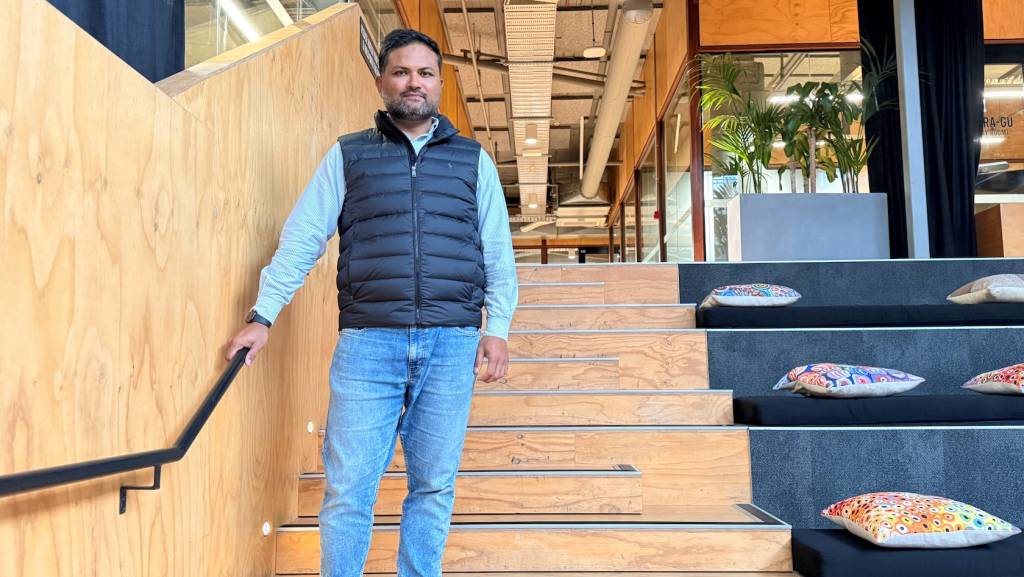
ESGAgent.ai, trading as Klean Technologies, has raised a $450,000 Seed round led by Japanese VC DNX...
The AMW Read
Incremental seed round in a growing regulatory AI vertical; no new patterns or structural shifts beyond confirming the segment's direction.

ESGAgent.ai, trading as Klean Technologies, has raised a $450,000 Seed round led by Japanese VC DNX Ventures, bringing total funding to $1.7 million since a pre-Seed in 2024. The Brisbane-based startup automates climate, safety, and governance reporting for tier-one miners, food manufacturers, and engineering consultants, replacing manual spreadsheets with an AI-native compliance platform. The funds will be used for product development and customer growth as Australia introduces mandatory climate disclosure and emissions reporting requirements.
Why it matters: This is a textbook example of the regulatory-triggered vertical SaaS pattern — new compliance mandates create a wedge for AI-native entrants to displace incumbent consultancies and fragmented tooling. ESGAgent.ai is joining a growing cohort of Australian compliance AI startups (like the $4M seed raise by an AI governance startup in April 2026) that are capitalizing on a structural shift: governments are moving from voluntary to mandatory ESG reporting, turning a consulting line-item into a recurring software budget. The vertical is still early — most heavy industry still relies on consultants and spreadsheets — so the moat will be built on data ingestion pipelines, regulatory template libraries, and workflow automation, not foundation model capability. The $450K round is small, but the presence of a Japanese corporate VC (DNX Ventures) signals cross-border interest in Australian regulatory tech as a scalable playbook for Asian markets facing similar disclosure mandates.
Expert take: The real test for ESGAgent.ai is whether it can move beyond individual reporting frameworks to become the “system of record” for compliance in highly regulated industries, as its CEO claims. That requires building deep integrations with existing ERP and operational systems at miners and manufacturers — a classic enterprise sales challenge. The appointment of Mike Duggan from Ashurst Risk Advisory and the involvement of Greg Steele from Arcadis suggest the company understands that domain expertise and channel credibility are as important as the AI layer. The compliance automation segment is still fragmenting, and the winners will likely be the companies that lock in the largest enterprise customers with sticky workflow integrations before the hyperscalers (Microsoft, AWS) build generic compliance copilots that commoditize the reporting layer.