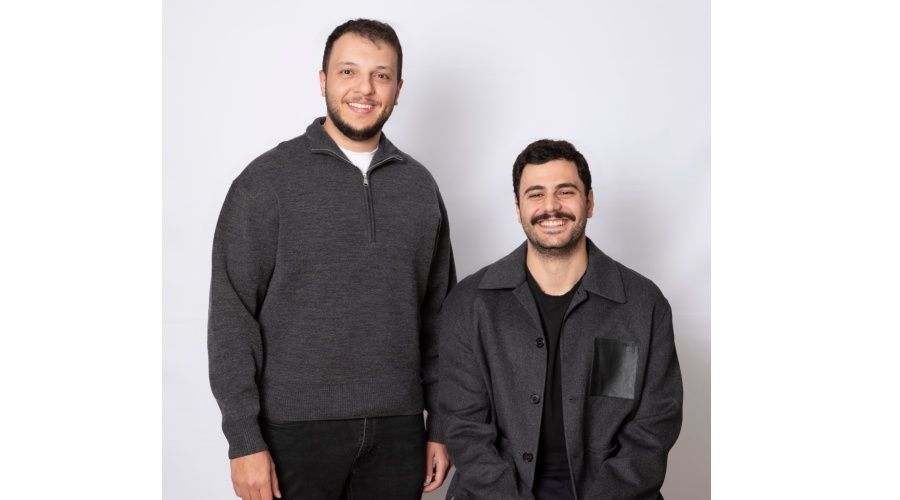
1001 raises $30M Series A for sovereign AI infrastructure in GCC
The AMW Read
Novelty 2: Sovereign AI for GCC is a fresh entrant category within AI infra; Significance 2: Updates the GCC sovereign AI narrative and signals state-backed strategic interest in the segment.

1001 raises $30M Series A for sovereign AI infrastructure in GCC
GCC- and London-based AI startup 1001 has closed a $30 million Series A round led by Lux Capital, with participation from PIF-owned Sanabil Investments, Hanabi, 9Yards, General Catalyst, CIV, and Stanford AI researcher Chris Ré, alongside regional and global angel investors including Ramp co-founder Karim Atiyeh and Clay co-founder Kareem Amin. Founded in 2025 by Bilal Abu-Ghazaleh, 1001 builds sovereign AI operating systems for critical infrastructure — predicting issues, automating decisions, and optimizing operations in aviation, ports, logistics, energy, and manufacturing while maintaining full local ownership and governance. The company previously raised a $9 million seed round in October 2025.
Why it matters: This round crystallizes the sovereign-AI infrastructure pattern playing out across resource-rich Gulf states. The GCC is investing heavily in compute and data assets but faces a dependency risk on foreign AI stacks for its most sensitive sectors — oil flows, container ports, international aviation. 1001 positions itself as a locally governed alternative to importing generalized foundation models from US or Chinese labs, targeting the $150 billion AI opportunity McKinsey estimates for the region. The involvement of Sanabil Investments (PIF) signals that sovereign wealth funds see this as a strategic, not merely financial, bet.
Expert take: The round is modest by Silicon Valley standards but significant in what it represents — a shift from the GCC being a customer to becoming a builder. The backer syndicate blends top-tier US venture capital (Lux, General Catalyst) with regional strategic capital (Sanabil, CIV), and the presence of technical founders like Chris Ré and Cognition's Russell Kaplan suggests conviction in the technical approach. 1001's product — a live model of operations that sits above existing systems — avoids the trap of selling generic AI middleware and instead targets high-stakes operational decisions where switching costs and trust requirements are high. The key open question is whether the sovereign AI thesis can scale beyond hyperscaler partnerships or whether it remains confined to the highest-margin, most controlled infrastructure.