IGAWorks launches WorksFM, a foundation model trained on consumer behavior data
The AMW Read
IGAWorks introduces a named consumer-behavior foundation-model category (LBM) extending foundation-model framing beyond LLMs into behavioral prediction, but impact is confined to two undisclosed retail data-clean-room pilots with no funding or scale disclosed.

IGAWorks launches WorksFM, a foundation model trained on consumer behavior data
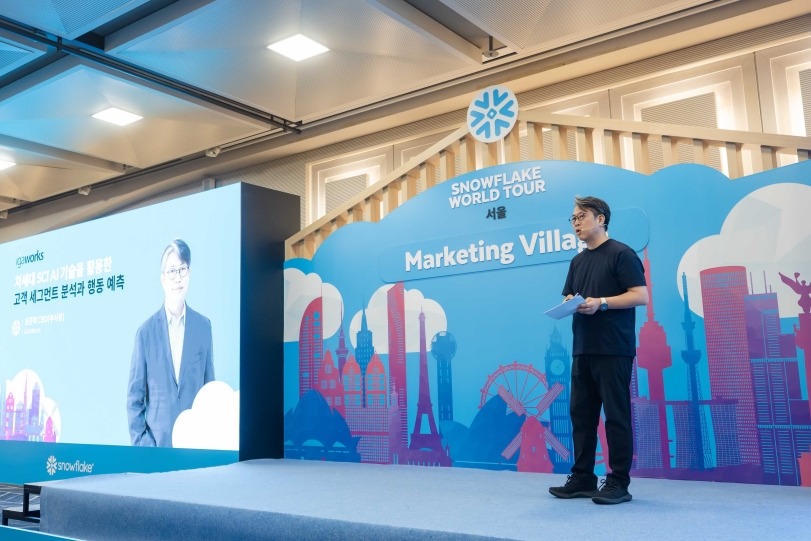
IGAWorks (아이지에이웍스), the Seoul-based AI data company led by CEO Ma Guk-seong, unveiled its foundation model WorksFM at Snowflake World Tour Seoul 2026 on August 27. The company calls WorksFM a Large Behavior Model, or LBM, trained on roughly 34 million real consumer behavior records spanning app usage, payments, offline store visits, ad responses, and TV viewing. IGAWorks has organized that data into more than 14,000 behavior tags across 10-plus domains, feeding a system called Synthetic Consumer Intelligence that predicts whether a consumer will take a given action within the next seven days, across 12 industries including finance, retail, travel, food, gaming, and education. Client first-party data is merged with this behavioral data inside a data clean room, so partners never hand over raw records.
Where large language models learn word patterns to predict the next token, WorksFM is pitched as learning sequences of real-world actions to predict the next behavior — an attempt to carve a distinct foundation-model category from proprietary behavioral telemetry rather than public text. It reframes two decades of ad-tech and mobile-analytics data as training data for a named foundation model, and extends the pitch from marketing segmentation into product planning, demand forecasting, and churn strategy for buyers in finance, retail, and telecom.
IGAWorks says it is combining SCI with internal data from two large domestic retail companies, though neither company nor deal terms were disclosed. The real test is not the LBM label but whether enterprises are willing to feed first-party data into a behavioral model built by a third-party ad-tech vendor rather than in-house — that adoption pattern, more than the model's architecture, will determine if this becomes a durable data-alliance business.