Kimi raises $2B at $20B valuation, led by Meituan Longzhu and China Mobile
The AMW Read
Updates the corpus for Moonshot/Kimi with a $2B mega-round and strategic investor composition shift from venture to infrastructure-stage capital, carrying cross-segment capital-cycle implications.

Kimi raises $2B at $20B valuation, led by Meituan Longzhu and China Mobile
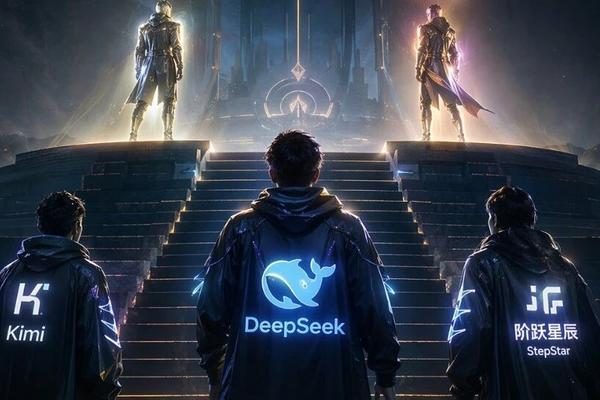
Kimi, the Chinese conversational AI assistant backed by Moonshot AI (月之暗面), has raised approximately $2 billion in a funding round that values the company at $20 billion. The round was led by Meituan Longzhu, the venture arm of Meituan, and China Mobile, according to a report from 36Kr. The funding is part of an extraordinary three-day stretch in which three Chinese foundation-model companies — Kimi, StepFun (阶跃星辰), and DeepSeek — collectively raised over $7 billion. The capital surge signals an industry-wide race to lock in valuations and secure survival before a predicted market consolidation.
Why it matters: This event embodies the 'capital-compression arc' pattern in foundation-model investing, where mega-rounds accelerate toward a shrinking set of top-tier players as model capabilities commoditize. The participation of a state-owned telecom giant (China Mobile) alongside a strategic internet investor (Meituan Longzhu) reflects a shift from venture-stage risk capital to infrastructure-stage strategic capital, a move that updates the open debate about whether independent Chinese model labs can escape hyperscaler dominance or must instead embed into state-aligned or vertically integrated ecosystems.
Expert take: Kimi's $2B round, arriving amid a broader $7B+ funding wave for just three labs, validates the thesis that foundation-model investing has moved beyond the 'moonshot bet' phase into a 'survival-quota' dynamics. With DeepSeek now taking state-backing and StepFun binding hardware supply chains, Kimi's bet on user scale and ARR growth — reported at $200M ARR — places it in direct tension with ByteDance's Doubao (豆包) at 350M MAU and DeepSeek's pricing pressure on the API market. The inclusion of China Mobile as an investor suggests Kimi may be positioning for carrier-distribution advantages, a twist on the telco-AI bundling pattern seen in other markets.