Prediction supplies battery AI subscription for 10 logistics EVs in South Korea
The AMW Read
Small-scale fleet deployment for a seed-stage battery-AI startup: incremental update to an early player in the robotics/physical AI segment, sub-segment impact only.

Prediction supplies battery AI subscription for 10 logistics EVs in South Korea
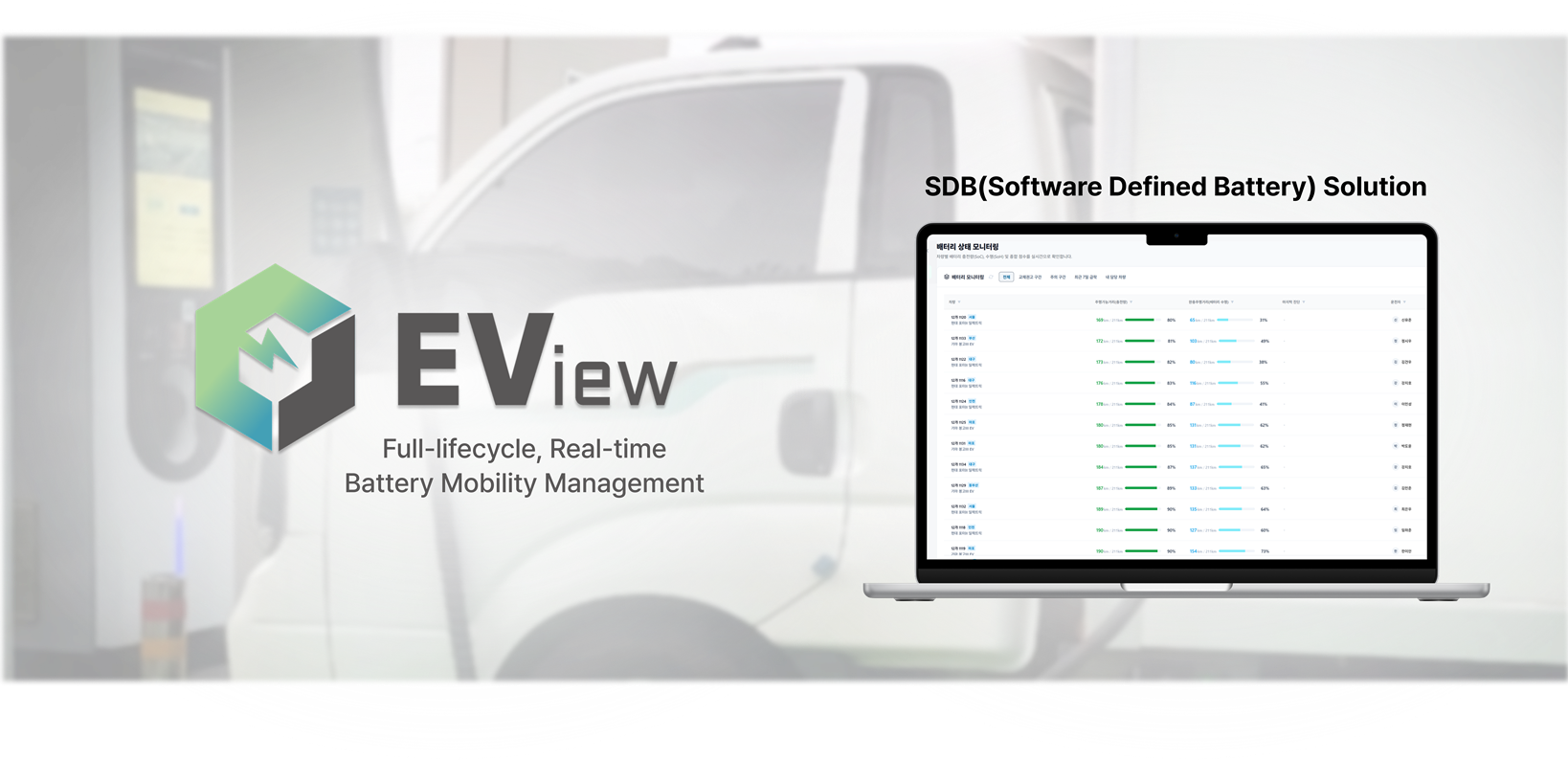
South Korean battery-AI startup Prediction (프리딕션) has launched the beta version of its electric-vehicle AI platform 'EView' and signed a subscription contract covering 10 vehicles operated by logistics company IlYang Logistics (일양로지스). The platform is built on a foundation model called Chronos V1, trained on raw battery current and voltage data rather than processed signals, to deliver real-time battery health diagnostics, accurate driving-range prediction, anomaly detection, and estimated resale valuation. The company is also developing Chronos V2, which will incorporate optimization protocols for charging cost and runtime savings, with an initial 'SDB' model targeted for completion by early 2027. Prediction previously raised seed funding from deep-tech accelerator Bluepoint Partners and was selected for Korea's TIPS program.
Why it matters: This deployment exemplifies the verticalized-data-moat pattern applied to battery lifecycle management for commercial electric fleets. Prediction's approach — training a foundation model on raw sensor data from a specific physical domain — mirrors the 'context-engineering moat' logic seen in other vertical AI plays, where proprietary operational data, not general-purpose model capability, creates defensibility. The subscription model for fleet operators also aligns with the emerging 'AI as an operational service' recurring-revenue structure. While the scale is small (10 vehicles), the use case — long-haul logistics EVs with frequent charging cycles — is a high-stress environment where battery degradation directly impacts asset ROI, making it a proving ground for downstream expansion into autonomous EVs, drones, and robots as the company states in its roadmap.
Expert take: Prediction occupies a narrow but defensible slot at the intersection of battery chemistry, edge sensor data, and fleet operations — an area where general-purpose foundation models lack sufficient signal fidelity. The company's reliance on raw current/voltage data rather than manufacturer-processed battery management system (BMS) readouts represents a deliberate architectural bet that mirrors the 'raw-data-is-the-moat' thesis seen in industrial AI startups. The key risk is that 10 vehicles generates limited training signal for statistical robustness, and scaling to hundreds of vehicles requires both capital and long sales cycles with enterprise logistics operators. The Korean EV fleet market, while growing, remains a single-geography constraint that limits addressable upside without an international expansion strategy.
#BatteryAI #ElectricVehicle #LogisticsTech #SouthKorea #FoundationModel #FleetOptimization