Psyonic plans to turn everyday prosthetic-hand use into robot training data
The AMW Read
Psyonic proposes a distinctive prosthetics-to-robotics training model, but the early-stage plan has no reported deployment results or demonstrated transfer to robotic manipulation.

Psyonic plans to turn everyday prosthetic-hand use into robot training data
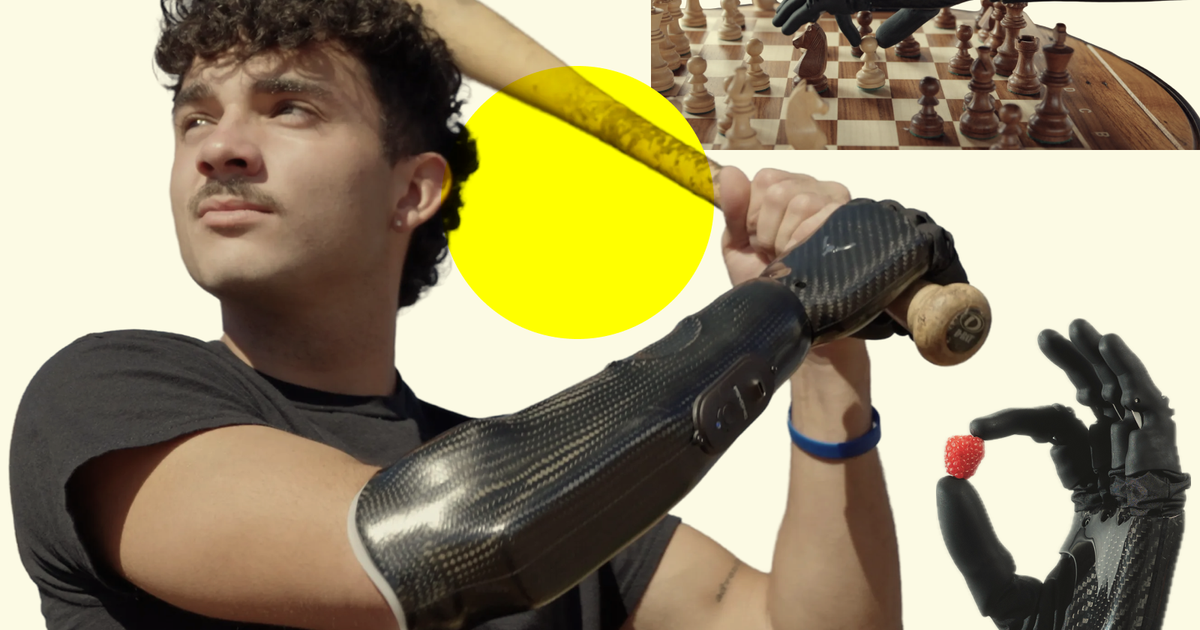
San Diego startup Psyonic is developing a plan to deploy thousands of bionic hands globally and pay wearers to generate training data for robotic manipulation. The effort is in its early stages, with Pakistan and India under consideration. Its hands record forces, torques, and finger positions, which can be synchronized with wearable-camera video. CEO Aadeel Akhtar told Semafor the company intends to sell the resulting robotics models rather than the underlying data. Psyonic is working with London-based Koalaa on a soft fabric sleeve to replace sockets that ordinarily require several clinician visits.
The proposal connects prosthetics with a bottleneck in physical AI: learning how objects feel during manipulation, alongside what a task looks like. Psyonic's route into robotics began when developers sought its prosthetic hands for their machines. A deployed user base could now become a source of everyday manipulation examples, potentially subsidizing access to the devices. That creates a possible business spanning hardware and trained models, but the article reports a collection plan rather than demonstrated improvements in robot dexterity. It also leaves the broader design question open: some deployed robots use simple grippers, and a research review cited in the article challenges the need for human-shaped hands.
For builders and investors, the concrete diligence question is whether models trained on prosthetic use improve performance on the robotic hardware and tasks customers actually need. Access to rich sensor recordings alone does not establish that transfer. Commercial value will depend on useful manipulation capabilities, while the proposed subsidy depends on model sales supporting device deployment and wearer compensation.