MONTEE AI, a Shanghai-based AI startup, has completed its first funding round led by Xuhui Capital w...
The AMW Read
Novelty 2: new entrant in AI children's hardware with a differentiated interactive model, but the concept of AI story devices is not unprecedented. Significance 2: Validates the shift from passive to interactive in the children's content hardware segment, with potential cross-segment implications fo

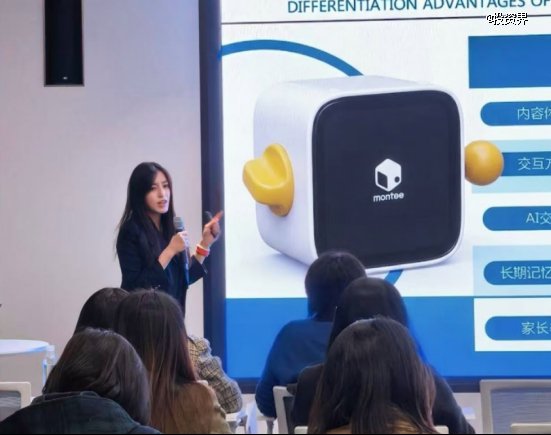
MONTEE AI, a Shanghai-based AI startup, has completed its first funding round led by Xuhui Capital with participation from strategic investors, using Lingang Capital as exclusive financial advisor. Founded in 2025 by Gui Xiaohuan, a Columbia Business School graduate with family ties to a 50-year-old children's content publishing business owning over 20,000 copyrighted works, the company makes a toy-interactive AI story machine. The device uses NFC-equipped dolls to trigger cloud LLM-generated stories, tracks child development via long-term memory, and includes safety filters. Proceeds will fund product development, hardware manufacturing, and cross-strait market expansion in China and Taiwan.
The funding signals the maturation of the AI hardware vertical for children, shifting the category from passive playback (Toniebox, Yoto) to interactive dialogue. MONTEE AI's model combines hardware as a one-time acquisition, quarterly doll releases, subscription content, and B2B sales to preschools — aligning with the 'hardware acquisition, content retention, subscription monetization' pattern seen in edtech hardware. The company already has 20 kindergartens, 2,000 children for validation, and partnerships with Sanrio and Baby Shark. Its go-to-market first in Chinese-speaking markets, then Southeast Asia and North America, targets 2026 revenue of tens of millions and a 2027 European entry.
This development validates the 'AI-powered storytelling' open debate: can AI transform children's hardware from content delivery to adaptive companion? MONTEE AI's advantage lies in its exclusive content moat (20,000 copyrighted titles) and IP brand collaborations, combined with a founding team from Google, ByteDance, and Ivy League schools. The round is modest (undisclosed but early-stage), yet the product's cross-generational appeal and clear monetization roadmap position it as a credible challenger to legacy audio players. China's large preschool market, coupled with parental willingness to pay for educational hardware, provides a strong launchpad. The company must prove it can sustain engagement beyond novelty and scale manufacturing cost-effectively.