US Pentagon signs AI deals with Google, Nvidia, OpenAI, and others for confidential military use
The AMW Read
Novelty 2: Adds new military procurement pattern to known player map. Significance 3: Cross-segment structural shift in sovereign AI deployment norms and hyperscaler distribution moats.
US Pentagon signs AI deals with Google, Nvidia, OpenAI, and others for confidential military use
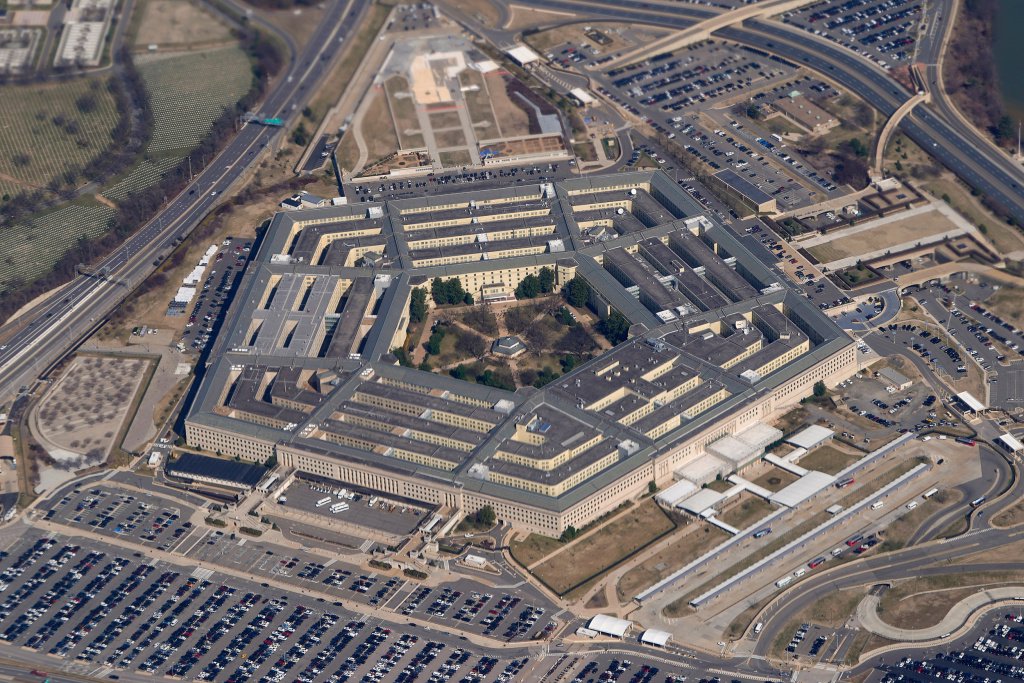
The US Department of Defense announced agreements with seven AI companies — Google, OpenAI, Nvidia, Microsoft, Amazon Web Services, SpaceX, and Reflection — to deploy their advanced AI technologies into classified military networks for combat operations. The deals grant the Pentagon substantial flexibility in using these models for targeting and other sensitive missions, notably excluding Anthropic after it sued the DoD over a supply-chain blacklist imposed in March. Oracle later joined the group.
Why it matters: This marks a structural acceleration of the military-AI integration pattern, where hyperscalers and frontier labs trade data-security commitments for access to the largest sovereign customer. The exclusion of Anthropic — which had insisted on stricter usage guardrails — signals that the Pentagon prioritizes unrestricted deployment over alignment restrictions. The deals also reinforce the hyperscaler-distribution moat: Google, AWS, and Microsoft already host government cloud services; adding OpenAI’s flagship models makes their defense bundles stickier and harder for rivals like Anthropic to dislodge.
Expert take: The Pentagon's move effectively weaponizes the corporate divide between Anthropic's cautious stance and the rest of the industry. By securing commitments from seven vendors, it creates a de facto procurement standard that other allies may adopt, deepening the geopolitical moat for US AI firms. Meanwhile, the absence of explicit nuclear command-and-control oversight in these agreements remains an open safety debate, as flagged by Skeptic Memory cases like Project Maven's early civilian casualties blowback.