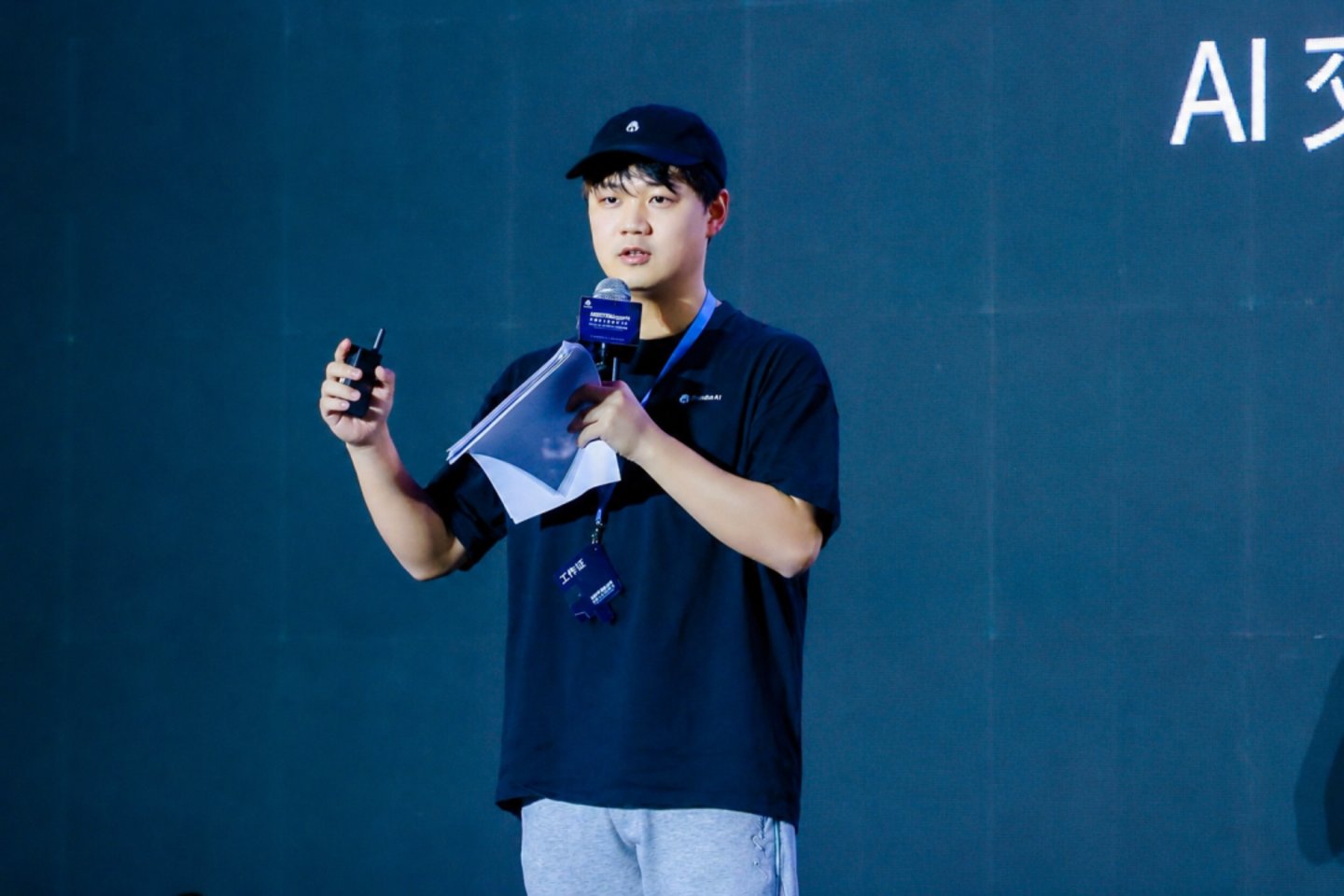
PandaAI closes seed-to-angel-plus rounds worth tens of millions of RMB to build an AI-native quant trading platform.
The AMW Read
New entrant to AI-native quant trading with a distinctive agent-orchestration moat thesis, but early-stage funding and no disclosed trading performance keep impact confined to a sub-segment.

PandaAI closes seed-to-angel-plus rounds worth tens of millions of RMB to build an AI-native quant trading platform.
Li Yuqi, 26, left a partner role at a Chinese quant private fund managing over RMB 1 billion (~$140 million) to found PandaAI in 2024, betting that large language models would erode the traditional quant edge built on proprietary data, low-latency infrastructure and large research teams. The company now has 70+ employees and 100,000+ users, has run three factor-design competitions with 30,000 cumulative participants (the third drew 12,000+ entrants and 8,000 submitted factors), and has closed seed, angel and angel-plus rounds totaling tens of millions of RMB (roughly $5-14 million). Its product line runs from Qube, an entry-level agent turning a plain-language trading idea into a backtestable strategy, to EVO, a research workstation for professional quants the company calls a "Claude Code for quant research," up to an unreleased OS layer splitting factor iteration, portfolio optimization and data collection across coordinating agents via an agent-to-agent architecture.
PandaAI has open-sourced an initial QuantSkills library and agent cluster, published three papers (CQ2, A2A Self-Evolution, AlphaSchema), runs a self-developed CQ2 model alongside external LLMs including DeepSeek and Doubao, and has connected to futures brokerage counters for live trading; its overseas product TQX has about 20,000 registered users concentrated in Southeast Asia and the Middle East. Li cites DeepSeek's own open-sourcing of its agent "harness" — the layer governing what tools an agent can call and what rules it follows — as evidence that models and data are commoditizing while the orchestration logic around them is not.
For builders, PandaAI is a data point for treating agent orchestration, not the underlying model or dataset, as the durable layer in vertical AI products, even after skills libraries and code are open-sourced. For investors, the company is still early-stage — cumulative funding in the low tens of millions of dollars, no disclosed assets under management or live-trading results — and Li's own one-to-two-year timeline for fully autonomous multi-agent trading hinges more on user trust than remaining technical gaps.