Helsing nears $18B valuation as defense AI startup surge accelerates
The AMW Read
Helsing is a known Robotics/Physical AI player; a 40% valuation jump to $18B with oversubscribed round meaningfully updates the segment's capital trajectory, but does not resolve an open debate.

Helsing nears $18B valuation as defense AI startup surge accelerates
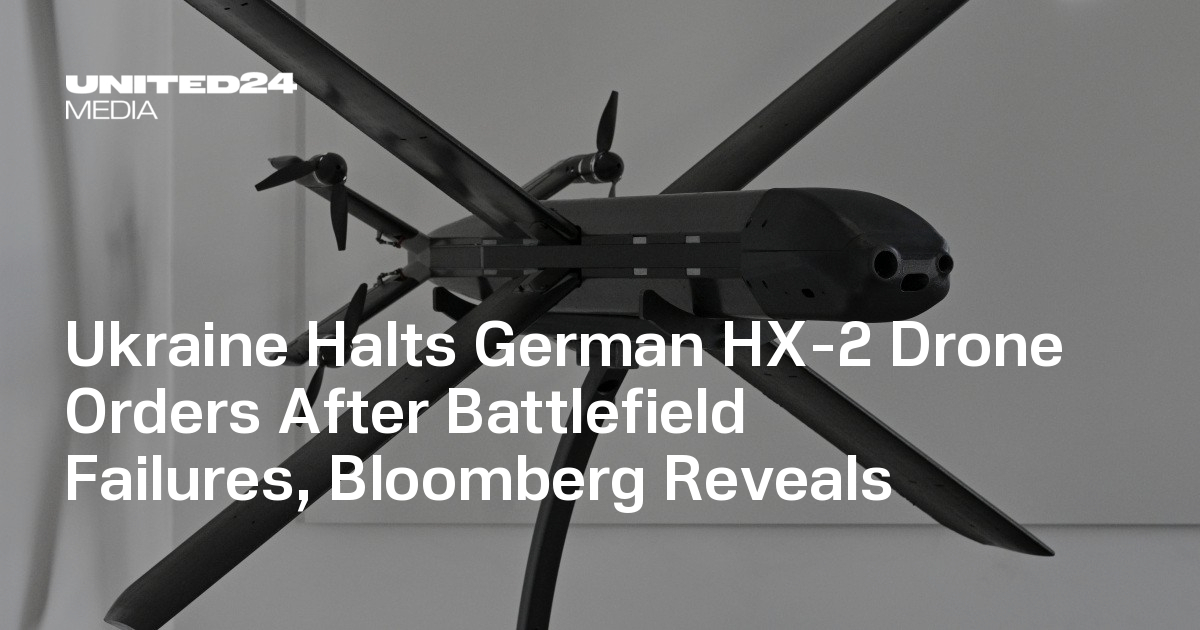
German defense AI startup Helsing is approaching an $18 billion valuation in a new $1.2 billion funding round led by Dragooner Investment Group, with Lightspeed Venture Partners co-investing, according to the Financial Times. The round is heavily oversubscribed, reflecting surging investor appetite for AI-powered defense technology since the Ukraine war began. Founded in 2021, Helsing initially focused on battlefield data analysis and military decision-support AI, but has since expanded into loitering munition drones and autonomous underwater systems. Its HX-2 drone received Ukrainian battlefield approval, and the company recently signed a €269 million initial contract with the German military, with options that could bring total deal value to €1.46 billion.
Why it matters: This funding event exemplifies the “fastest-ARR-ramp” and “capital-compression” patterns in defense AI — a segment where companies like Helsing and U.S. rival Anduril are compressing decades of traditional defense procurement timelines by shipping AI-enabled hardware that goes directly to active warzones. The valuation surge also updates the “sovereign AI” debate: European defense capitals are dramatically increasing military AI spending, and the capital cycle is now pulling in big-ticket U.S. crossover investors. Helsing’s pivot from pure software to full-stack hardware (drones, unmanned combat aircraft with Saab) mirrors Anduril’s trajectory, suggesting the segment’s competitive moat may be shifting from AI algorithms to integrated weapons systems.
Ground view: The “drone bubble” warning from Rheinmetall’s CEO is a useful framing tension. Defense tech valuations are now pricing in expectations that autonomous systems will displace legacy platforms at a pace historically unseen in military procurement. However, Helsing’s HX-2 field performance in Ukraine and the German military contract provide real-world validation that few defense AI startups have achieved. The segment’s critical open question remains whether these companies can scale production and survivability at NATO-level standards, or whether the valuation multiples reflect wartime urgency that will normalize once conflict dynamics shift. For now, Helsing’s ability to close a round at this size and valuation signals that institutional capital sees defense AI as a structural growth segment, not a tactical bet.
#DefenseAI #AutonomousSystems #DroneWarfare #EuropeanTech #MilitaryTech #AIHardware