China restricts overseas travel for top AI talent at Alibaba, DeepSeek, escalating tech retention efforts
The AMW Read
Novelty 2: expands known policy from state to private sector, meaningfully updating the player map. Significance 3: cross-segment structural signal reshaping talent flows, capital deployment, and geopolitical competition.

China restricts overseas travel for top AI talent at Alibaba, DeepSeek, escalating tech retention efforts
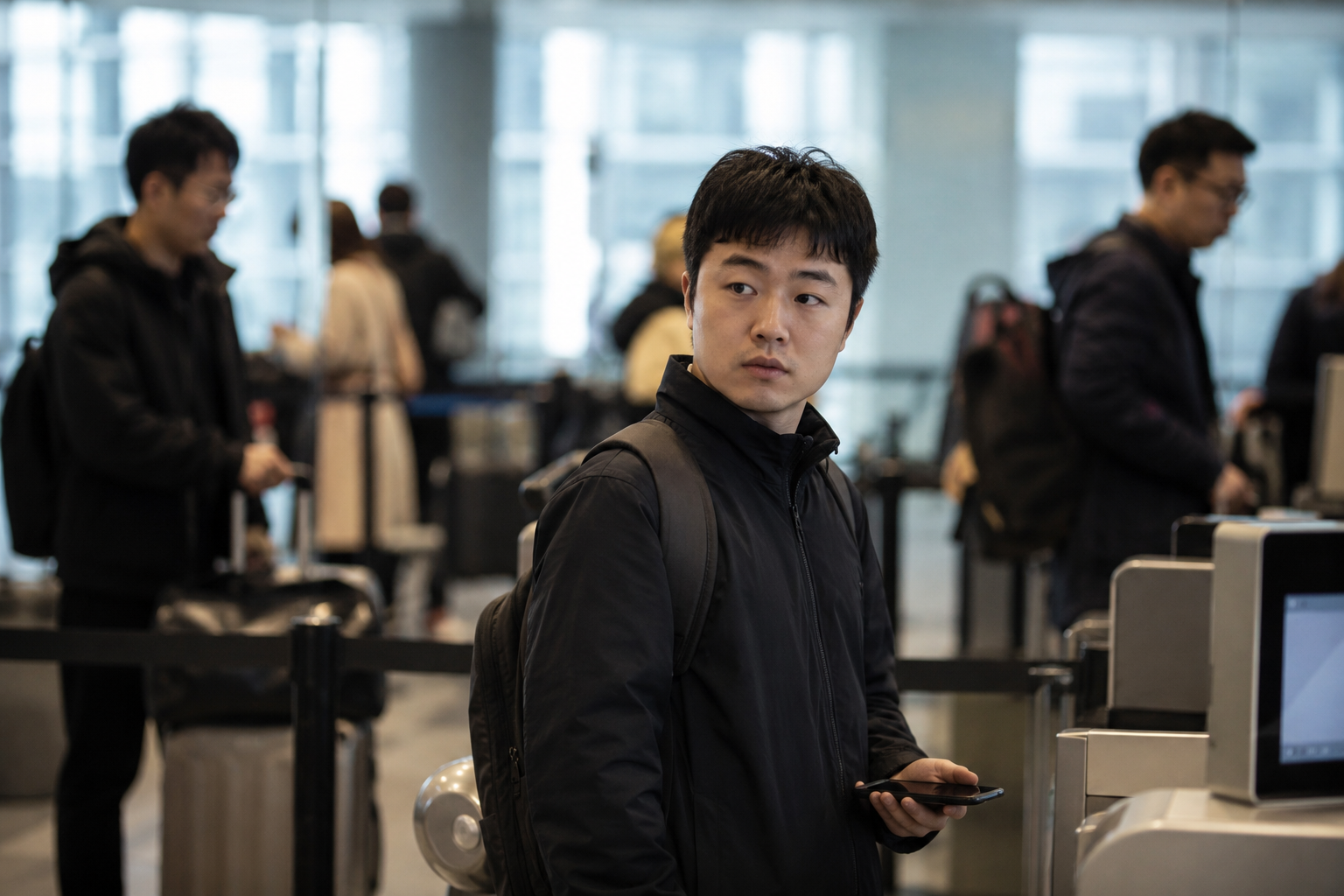
China has begun requiring top AI professionals at private firms — including Alibaba Group and DeepSeek — to obtain government approval before traveling abroad, according to a Bloomberg report cited by Invezz. The restrictions extend to startup founders, researchers, and senior executives in strategically important AI roles, marking a significant expansion of Beijing's existing travel controls from state-owned enterprises into the private technology sector. The policy follows heightened scrutiny around technology leaks, exemplified by Beijing's move to unwind Meta's $2 billion acquisition of Manus, whose co-founders were barred from leaving the country.
Why it matters: This policy update signals a structural shift in the capital-cycle dynamics of China's AI ecosystem. By effectively locking top research talent inside the country, Beijing strengthens its hyperscaler-distribution moat for domestic incumbents like Alibaba, which can rely on a captive talent pipeline. However, it also introduces friction for Chinese AI labs seeking to recruit globally — a classic talent-drain risk that could slow export-oriented expansion. The move intensifies the US-China decoupling arc, reducing the likelihood of cross-border talent flows that had previously benefited both ecosystems.
Grounded expert take: The travel restrictions validate our recurring pattern on talent as a strategic asset — governments are increasingly treating top AI researchers as non-exportable IP. For Alibaba, this reduces the odds of high-profile defections to US rivals, supporting its AI productization and cloud revenue trajectory. For DeepSeek, the policy tightens its ability to build international partnerships, though as a pure research lab, its reliance on domestic compute and domestic hires may insulate it somewhat. The open debate about whether state-led talent retention helps or hinders innovation is now being stress-tested in real time: tighter control may boost near-term execution for compliant incumbents, but risks freezing hiring and slowing product delivery across the broader sector.