GasLab launches AI music platform with $1M pre-seed and artist attribution
The AMW Read
GasLab adds a consent-based music generation entrant centered on attribution and compensation, but the small round and unvalidated technical claims limit its demonstrated impact to the music subsegment.

GasLab launches AI music platform with $1M pre-seed and artist attribution
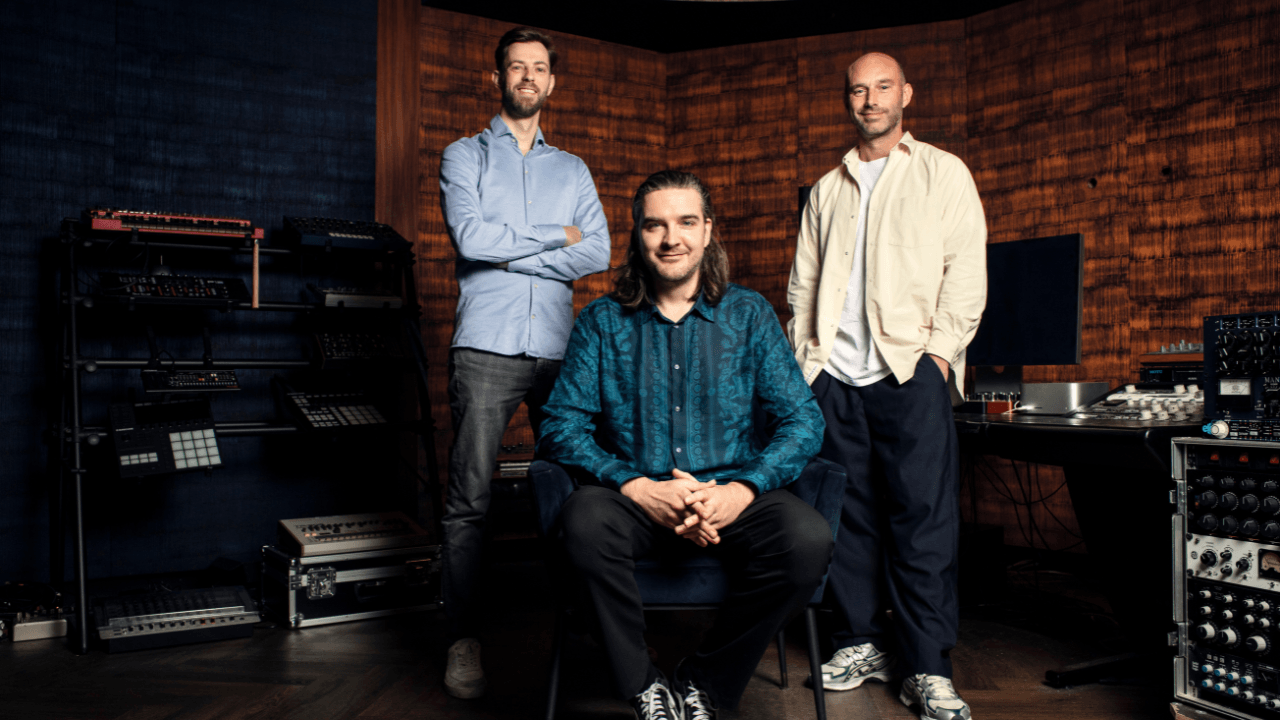
GasLab, the generative music company co-founded by DJ and producer Reinier Zonneveld, has launched with $1 million in pre-seed funding. Investors include Bitpanda co-founder Eric Demuth and WeTransfer founder Bas Beerens. Zonneveld, longtime business partner Cas Luuring, and former VC partner and Uber general manager Thijs Emondts form the core team. The platform generates music using material provided by participating artists and labels who consent to its use in model training.
GasLab enters the generative music market with attribution and compensation as its central proposition. The company says its proprietary technology identifies how participating music contributes to generated tracks, allowing creators to see the artists and recordings that shaped an output and enabling those contributors to be paid. This positions GasLab around a central commercial question for generative media: whether access to consenting catalogs and a mechanism for sharing revenue can differentiate a platform alongside its generation capabilities. The supplied report describes these functions but provides no independent validation of attribution accuracy or details on payment terms.
For builders and investors, the concrete diligence question is how GasLab connects an attribution result to an artist payment. Evaluating that connection requires evidence of attribution reliability and clear compensation rules; the funding announcement alone does not establish either. Zonneveld brings relevant experience: he and Luuring previously developed R2, a model trained on his own catalog that he performs alongside at festivals. That history supports the team's music-generation experience, while attribution across participating catalogs remains a separate claim to assess.