Gnani.ai raises $10M Series B, launches voice-to-voice LLM and TTS for 12 Indic languages
The AMW Read
Modest round and product update for an established regional player; significance limited to Indic-language voice segment with no structural substrate shift.

Gnani.ai raises $10M Series B, launches voice-to-voice LLM and TTS for 12 Indic languages
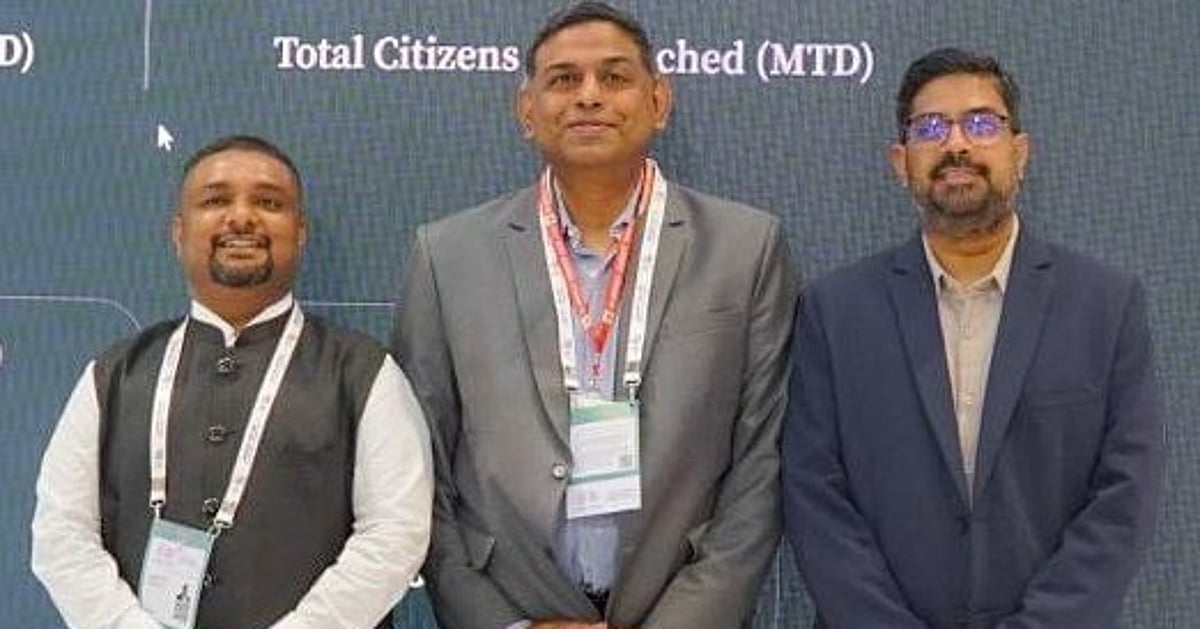
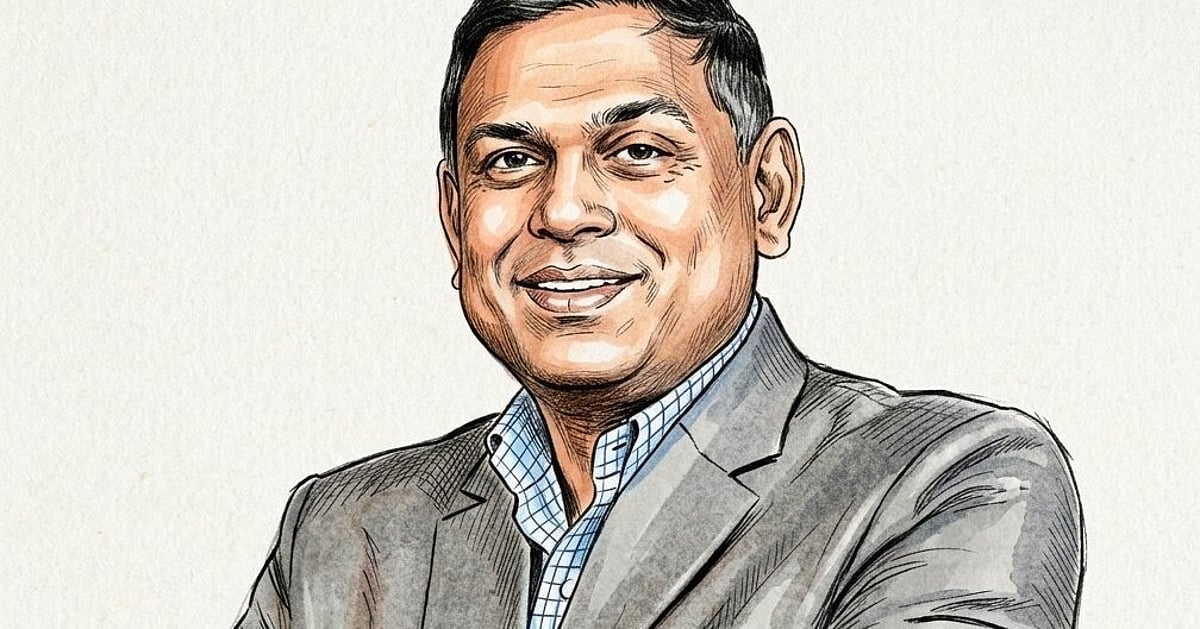
Bengaluru-based Gnani.ai, co-founded by former Texas Instruments engineers Ganesh Gopalan and Ananth Nagaraj, has raised $10 million in Series B funding led by Aavishkaar Capital with Info Edge Ventures participating. The company, which processes over 30 million voice interactions daily across more than 200 enterprise clients, launched Vachana TTS — a foundational text-to-speech model with zero-shot voice cloning supporting 12 Indic languages — and a voice-to-voice large language model aimed at preserving emotional tone lost in traditional speech-to-text pipelines. These releases fall under Inya VoiceOS and are part of the India AI Mission.
Why it matters: Gnani.ai exemplifies the capital-efficient, vertically specialized AI play emerging outside the hyperscaler orbit — a recurring pattern in the substrate where regional voice AI startups build defensible positions via language coverage and domain-specific data (14 million hours of proprietary Indic speech) that general-purpose frontier models cannot easily replicate. The voice-to-voice LLM approach directly addresses the context-engineering moat: by preserving paralinguistic emotion, Gnani.ai is attempting to solve a known failure mode of cascaded ASR-LLM-TTS pipelines, particularly for high-stakes sectors like insurance claims and defence where affective computing matters.
Expert take: The $10 million round — modest by global AI standards — is structurally significant because it signals continued sovereign AI investment in India’s language stack. Vachana TTS being designated under the India AI Mission gives Gnani.ai distribution advantage within government and regulated industries. The bet on emotion-aware voice agents for use cases like insurance claims processing reflects a deliberate vertical focus that could yield higher per-customer revenue than generic voice bots, but the company must now prove that its voice-to-voice model outperforms cascaded alternatives at scale. The 200-enterprise customer base and defence-sector credentials (Mandarin-to-English translation for DRDO) provide credibility, but the competition includes well-funded global players and open-weight Indic models.