SECA (세카), a hardware design automation startup, has secured seed funding from LG Electronics and de...
The AMW Read
A new entrant applying AI to hardware design automation.

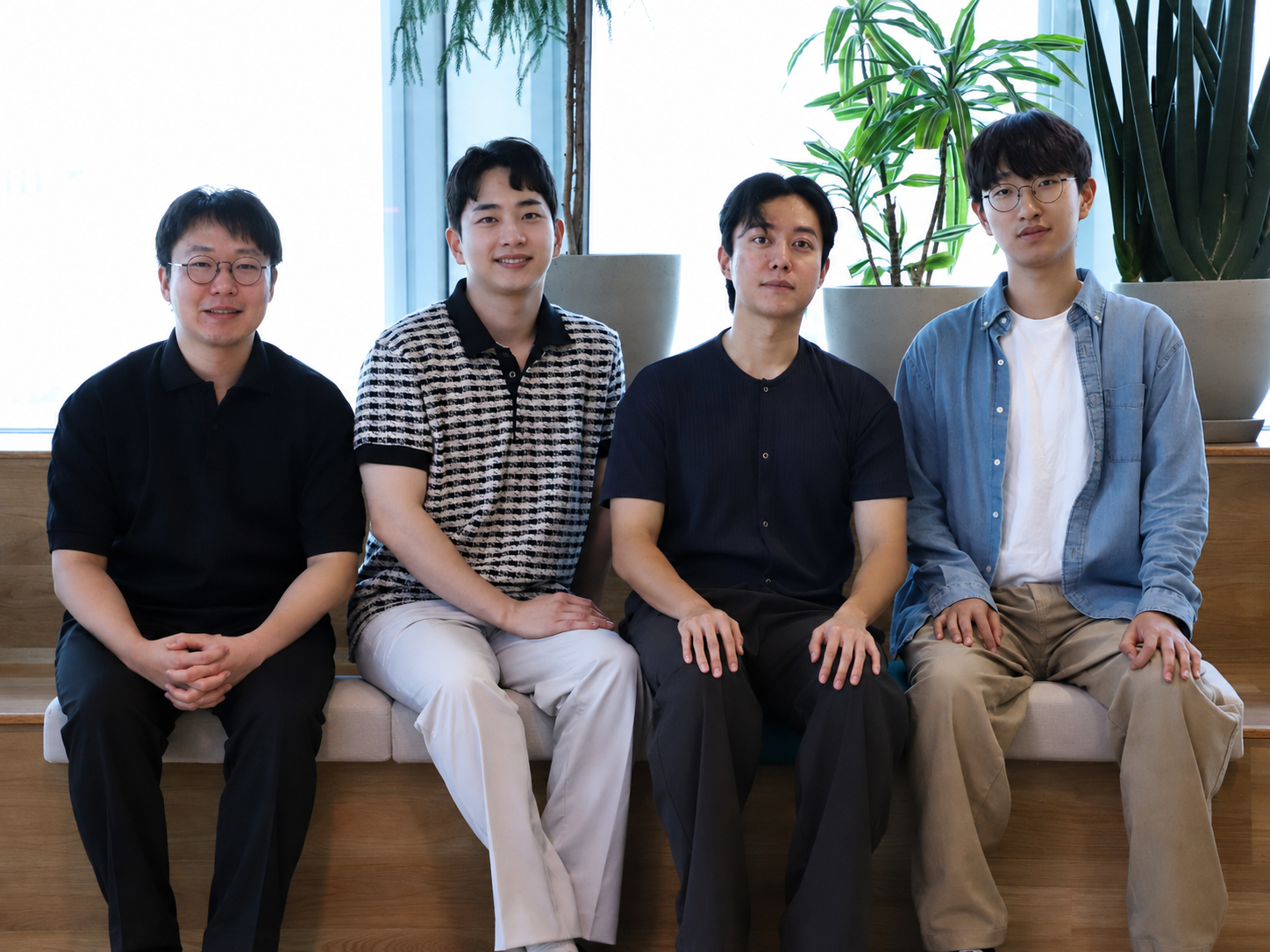
SECA (세카), a hardware design automation startup, has secured seed funding from LG Electronics and deep-tech accelerator BluePoint Partners. The company emerged as an independent entity through Studio341 (스튜디오341), a corporate venture program jointly operated by LG Electronics and BluePoint Partners since 2023, and this investment marks the spin-off. The investment amount and company valuation were not disclosed.
SECA is developing an AI for EDA (Electronic Design Automation) platform that connects scattered design data across manufacturing environments, including requirement documents, component specifications, circuit diagrams, bills of materials (BOM), and drawings. The platform uses knowledge graphs to track relationships between design elements and automatically detect the impact scope of design changes. It combines rule-based engines for areas requiring strict verification like voltage and temperature, with self-developed LLMs and VLMs for technical document and drawing interpretation. The company is currently running pilot projects with LG Electronics home appliance and vehicle components (VS) divisions, DB Global Chip, and Airbus.
This funding signals the convergence of AI with the nascent hardware design automation segment. SECA's approach of building a hardware-specific foundation model by learning circuit connectivity, physical constraints, and design history addresses the growing complexity of electronics, automotive, and semiconductor development, where multi-organization collaboration creates heavy documentation burdens. Kim Jun-hyung, SECA's CEO, previously led design software, data, and AI initiatives at LG Electronics automotive vehicle components division. For builders, the emergence of vertically specialized foundation models trained on engineering data, rather than just general-purpose models, represents the direction of domain-specific AI. For investors, this validates the thesis that AI for EDA sits at the intersection of semiconductor complexity and enterprise engineering efficiency, which is under-served relative to design automation in software development.