Decagon and Hertz pilot reservation changes through Meta's Muse
The AMW Read
The Hertz pilot adds a concrete agent-to-agent service channel for Decagon, but its adoption and reliability remain unproven.

Decagon and Hertz pilot reservation changes through Meta's Muse
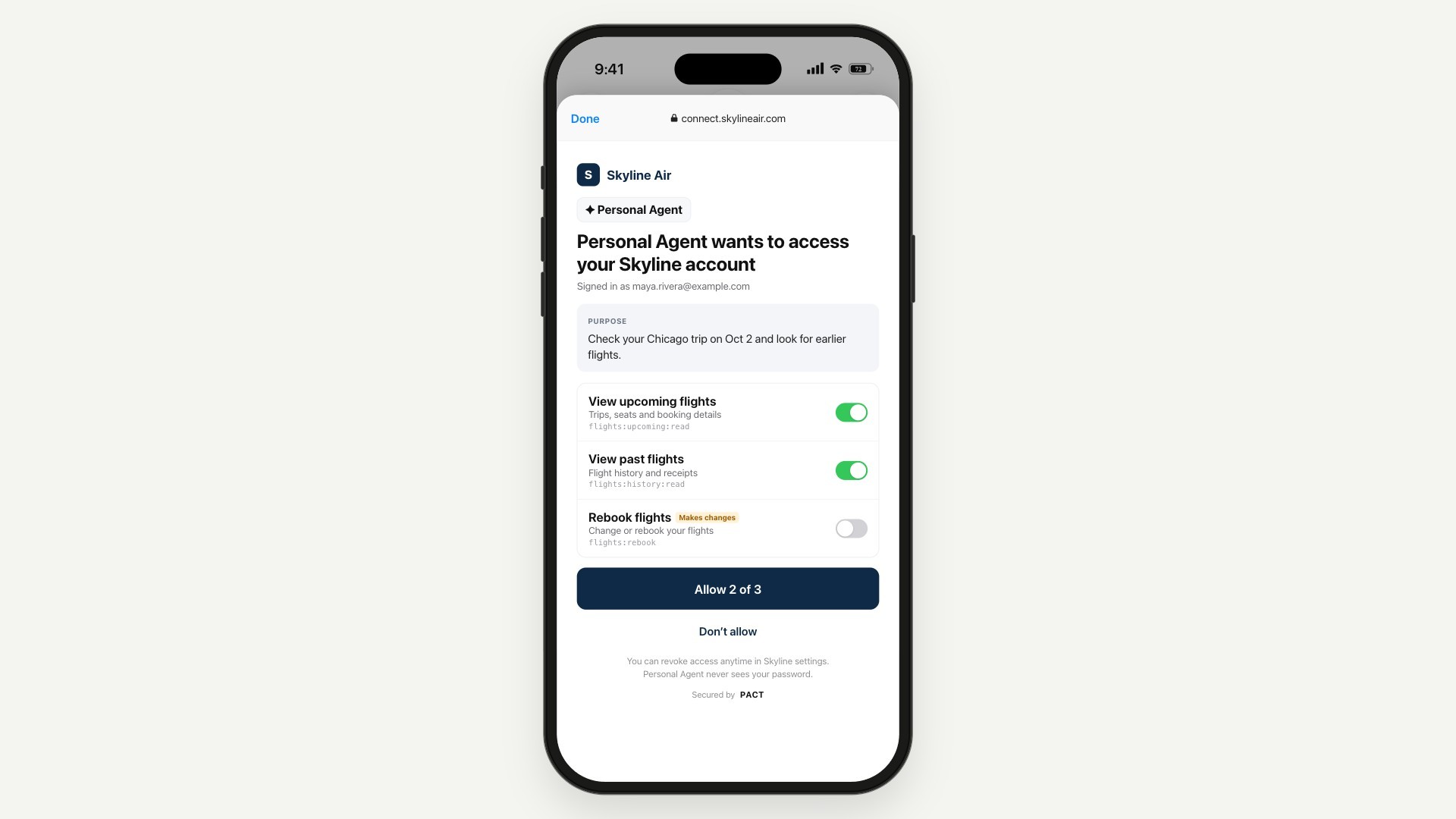
Hertz is joining a pilot of Decagon's Personal Agent Gateway to let renters ask Meta's Muse to change or extend existing reservations. Muse will pass requests to Hertz's Decagon agent and return the updated booking for confirmation. The connection uses Poppy, Meta's implementation of the open Personal Agent Protocol.
The pilot tests a distribution model in which a customer's personal agent connects to a company's existing service agent. Hertz will reuse its reservation procedures, including customer verification, rental policies and handoffs to live agents. It will control which requests the channel accepts and which actions its agent performs. This extends Decagon's reach beyond its prior OpenAI Marketplace arrangement, which gave eligible enterprises access to its customer-facing agents through existing OpenAI commitments.
For builders, the practical question is whether one set of business rules can serve requests from multiple personal agents without rebuilding the workflow. Decagon says its channel is designed for that reuse, but Muse will be the first personal agent connected to Hertz's channel. Investors should treat the announcement as a pilot, not evidence of adoption or transaction performance. Its results could show whether agent-to-agent handoffs work reliably within an existing customer-service process.