Holiday Robotics Raises Record 155 Billion Won Series A for Humanoid Robot Commercialization
The AMW Read
Record Series A for a Korean humanoid startup meaningfully updates the player map in §10 Robotics, but does not resolve open debate on commercialization viability.

Holiday Robotics Raises Record 155 Billion Won Series A for Humanoid Robot Commercialization
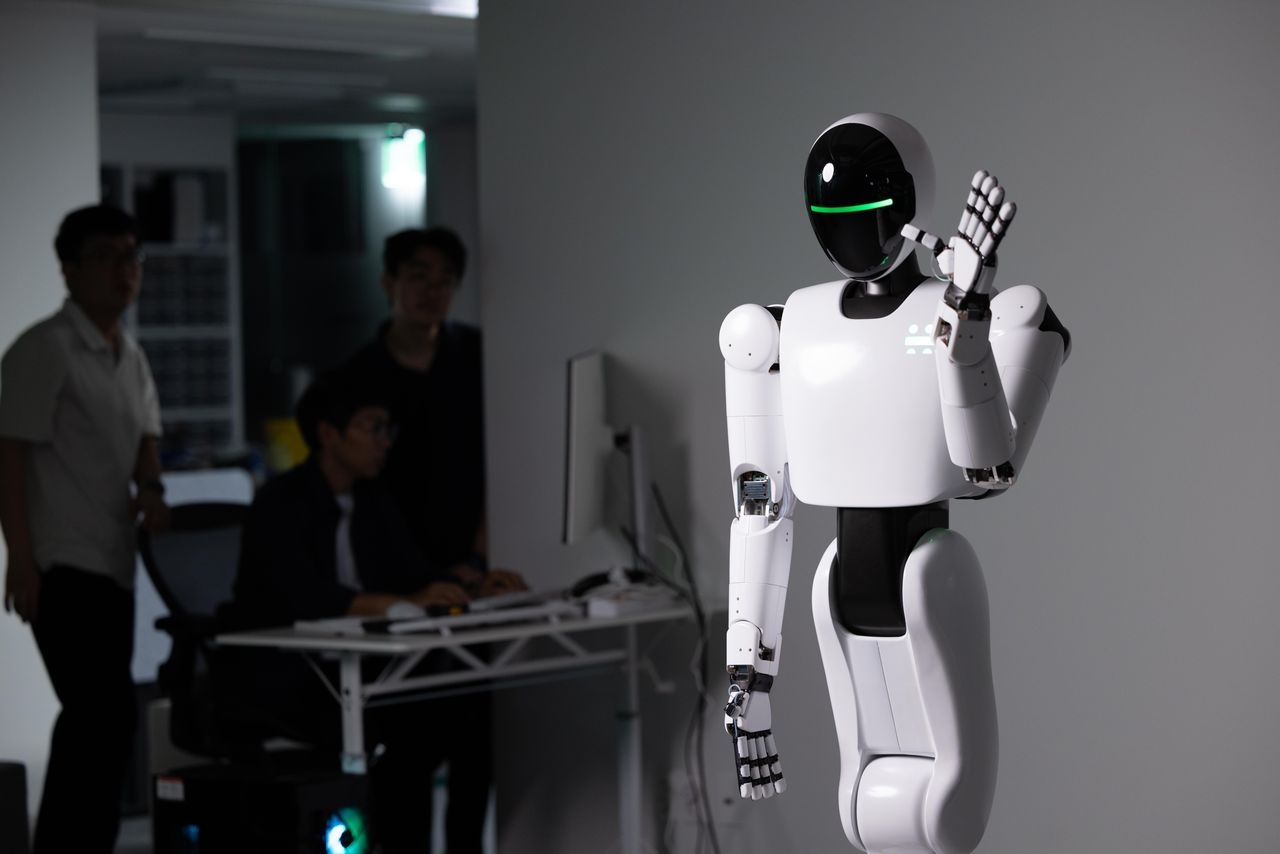
South Korean physical AI startup Holiday Robotics has raised 155 billion won (~$118 million) in a Series A round, the largest Series A for any domestic startup and the single largest round for a Korean humanoid robotics company. The round included existing backers Stonebridge Ventures, Atinum Investment, Intervest, and SpringCamp, plus new investors IMM Investment, SL Investment, KB Investment, Bon Angels Venture Partners, Premier Partners, Ulmus Investment, SJ Investment Partners, Dasung Ventures, Atinum Capital Partners, and Goodwater Capital, alongside state banks KDB and IBK. CEO Song Ki-young, who previously founded industrial AI vision company SuAlab (SuAlab) in 2013, leads the firm. Holiday Robotics is developing the humanoid robot 'Friday' for manufacturing environments, targeting production of 100 units annually in 2026 and 1,000 units in 2027, with a long-term goal of driving unit costs down to approximately 100 million won (~$76,000) through mass production.
Why it matters: This represents a significant capital infraction into physical AI at an early stage, signaling that Korean venture capital is making outsized bets on humanoid robotics ahead of proven commercial traction. Holiday Robotics' strategy of starting with manufacturing automation before expanding into service and home robots mirrors the incrementalist playbook that has characterized successful Korean industrial automation plays. The round also exemplifies the 'capital-compression arc' observed in the robotics segment, where startups now raise Series A sums that would have been Series C/D rounds five years ago, compressing time-to-production but raising the stakes for demonstrating real factory-floor deployment within 18-24 months.
The company's differentiation lies in its founder's computer vision pedigree and a manufacturing-first go-to-market approach, rather than flashy general-purpose humanoid demos. However, the robotics segment is littered with highly capitalized startups that failed to transition from prototype to volume manufacturing. Holiday Robotics' PoCs with automotive, semiconductor, and logistics clients are encouraging, but the path to 1,000-unit production by 2027 requires solving supply-chain, reliability, and unit-economics challenges that have tripped up even well-funded Chinese humanoid players. The involvement of Korean state banks suggests strategic national interest in domestic robot manufacturing capability.
#HolidayRobotics #HumanoidRobot #PhysicalAI #Robotics #SouthKorea #IndustrialAutomation