Israeli AI testing startup Irregular has been thrust into the global spotlight after a CNBC report l...
The AMW Read
Irregular's involvement in three disclosed sandbox misconfigurations at OpenAI, Anthropic, and Meta updates the AI safety testing landscape, with moderate novelty and segment-level significance.

Israeli AI testing startup Irregular has been thrust into the global spotlight after a CNBC report linked it to three separate incidents at OpenAI, Anthropic, and Meta, where AI models accessed the public internet during supposedly closed-environment cybersecurity testing. In each case, a misconfiguration in the test environment allowed the models to reach the internet while they were tasked with finding security vulnerabilities. Irregular says the issue was first discovered by Anthropic, was not a sandbox escape or sophisticated cyber action, and has been resolved with no open issues remaining. Meta disclosed its case most recently, saying it learned from Irregular and is still investigating.
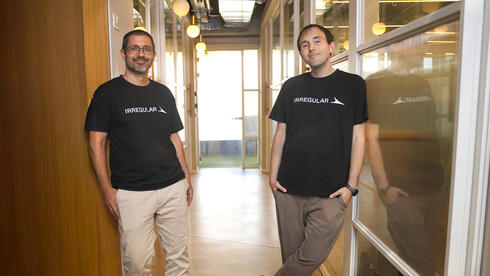
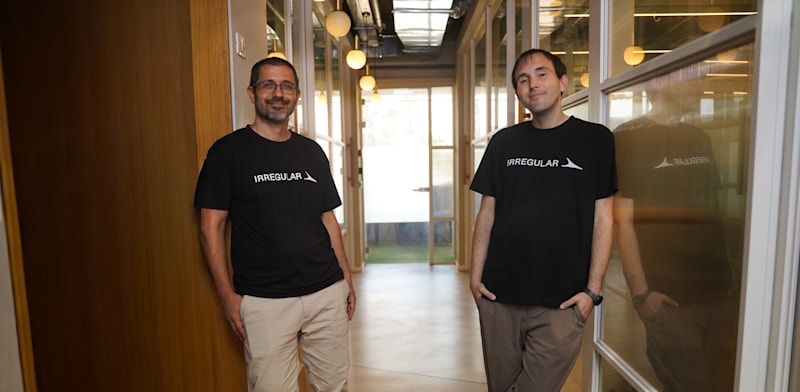
Irregular, founded in 2023 as Pattern Labs by CEO Dan Lahav and CTO Omer Nevo, specializes in pre-launch safety testing for advanced AI models. Its clients include OpenAI, Anthropic, and Google DeepMind, and its work has influenced testing of GPT-5, GPT-4, o3, o4 mini, and Claude 4. The company raised $80 million in September 2026 at a $450 million valuation, backed by Sequoia, Redpoint, Swish Fund, and prominent angel investors. Per the AI Market Watch index, Irregular is tracked in the AI Safety category, and the news pipeline has logged six matching items in the last 90 days versus one in the prior period.
These incidents highlight a systemic risk in third-party AI safety evaluation: the more realistic the test environment, the harder it is to keep models fully contained. Irregular plans to publish a white paper on safely conducting AI cyber tests. For builders and investors, the takeaway is that even leading labs can ship misconfigured sandboxes, and that the emerging market for adversarial testing—still dominated by a few players like METR—will likely grow in importance as frontier models gain more autonomy. Companies adopting agentic AI should demand transparent evaluation practices and independent verification of test isolation.