# Okestro Group Unveils OKESTRO 4.0 AI Infrastructure Software Strategy
The AMW Read
Okestro is an established player in the AI infrastructure segment and the shift to AI-native operations with a knowledge graph and GenDev agent is a meaningful product update, but it does not resolve any open debate or introduce a new top-tier entrant.

# Okestro Group Unveils OKESTRO 4.0 AI Infrastructure Software Strategy
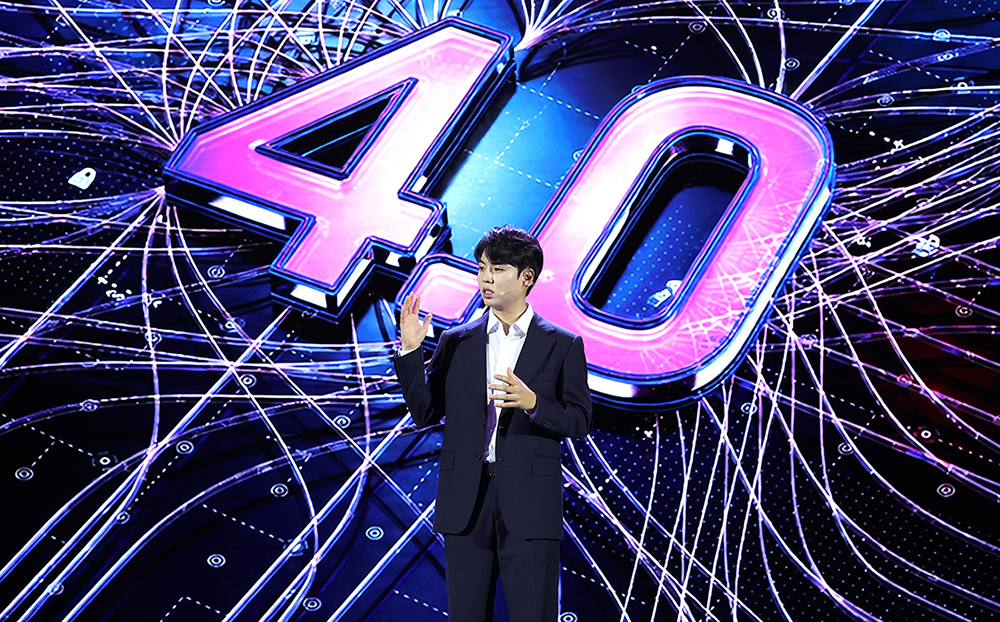
South Korean AI infrastructure software company Okestro Group announced OKESTRO 4.0 at its OPUS 2026 event in Seoul. The strategy integrates operational data collected from customer deployments across its full-stack software portfolio — spanning server virtualization (Contrabass), cloud-native management (Viola), multi/hybrid cloud CMP, DevOps (Trombone), AI inference operations (Concerto AI), generative AI (Clarinet), and disaster recovery (Contrabass Legato DR). Two core components drive the update: an ontology-based knowledge graph called SCORE that links operational data across resources, services, failure histories, policies, and costs; and OKESTRO GenDev, an AI agent designed to plan, develop, test, deploy, and maintain software across the entire SDLC.
## Why It Matters
This announcement extends the pattern of AI infrastructure vendors moving beyond bare-metal orchestration toward intelligent operations layers that promise closed-loop autonomy. Okestro claims GenDev improves software development lifecycle productivity by approximately 10.6x. The shift from reactive incident response to predictive preemption mirrors the broader industry trend where infrastructure software leverages operational telemetry data as a durable moat. By linking SCORE's knowledge graph with GenDev's generation-and-verification cycle, Okestro is building what amounts to a context-engineering moat — it uses accumulated deployment data to optimize not just compute utilization but the entire lifecycle of infrastructure software. This positions Okestro within the AI infrastructure segment's ongoing pivot from virtual machine management to AI-native operations, competing with offerings from VMware/Broadcom, Microsoft Azure Arc, and emerging AI-ops platforms.
The company's assertion that "the winner of the AI era will be not the firm with the largest model but the firm that understands its own data and controls its infrastructure to generate business outcomes fastest" reinforces the operationalist frame: in mature AI markets, infrastructure control and data integration become the decisive competitive advantages over raw model scale.
