OpenAI has officially announced the release of ChatGPT Images 2.0, integrating the new image generat...
The AMW Read
The update evolves OpenAI's image capabilities from aesthetic generation to functional design (09.§4) by integrating reasoning/thinking workflows typical of frontier foundation models (01.§4).

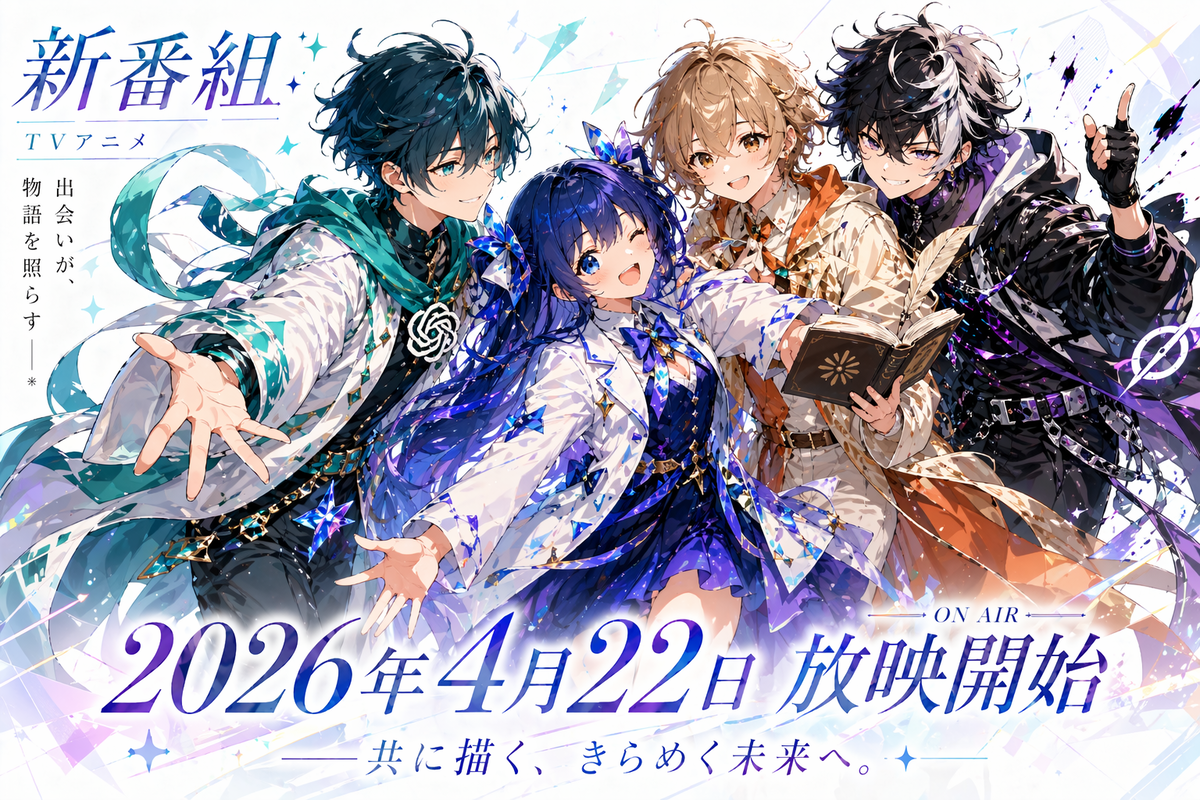
OpenAI has officially announced the release of ChatGPT Images 2.0, integrating the new image generation model into ChatGPT, Codex, and via API. The update focuses on high-fidelity instruction following, precise object positioning, and significant improvements in rendering text within images. Notably, the model supports non-Latin scripts including Japanese, Korean, Chinese, Hindi, and Bengali. Available to Plus, Pro, and Business users, the model can be paired with Thinking-class models to allow the AI to research web information, generate multiple drafts, and self-correct outputs. The API deployment, identified as gpt-image-2, supports up to 2K resolution and is positioned for integration with platforms like Canva, Figma, and Adobe.
The release represents a strategic pivot from purely aesthetic image generation to functional graphic design and layout planning. By introducing "thinking capabilities" to the visual pipeline, OpenAI is transforming image generation from a single-prompt tool into a "visual thought partner." This allows for complex workflows such as creating multi-panel manga, consistent social media ad sets, and UI mockups where text and composition must remain coherent. The ability to generate up to eight consistent images in a single session addresses a major pain point in creative professional workflows: maintaining character and stylistic continuity across multiple assets.
Market analysts view this move as an attempt to bridge the gap between generative art and professional design automation. While the model still faces challenges in complex spatial reasoning, such as origami-like folding or precise geometric puzzles, its ability to handle linguistic nuances in visual media places it in direct competition with specialized design tools. As image generation becomes an extension of Large Language Models (LLMs), the value proposition shifts from producing "beautiful pictures" to executing complex communicative tasks, effectively moving the AI closer to the role of an automated editor or junior designer within the enterprise creative stack.