OpenAI is reportedly developing an AI smartphone with Qualcomm and MediaTek for a 2028 launch, with...
The AMW Read
OpenAI entering hardware with chip partners and a 2028 timeline introduces a new vertical integration strategy, potentially reshaping the smartphone market and agent distribution model.

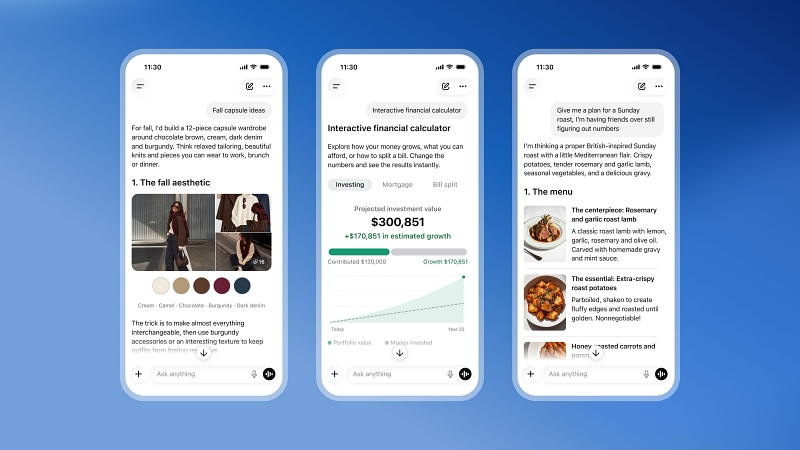
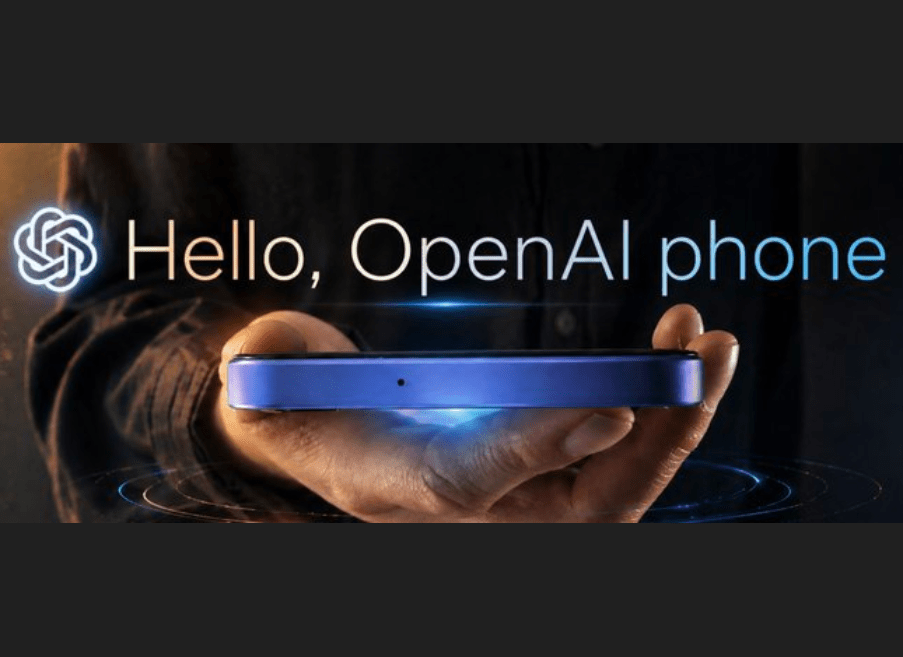
OpenAI is reportedly developing an AI smartphone with Qualcomm and MediaTek for a 2028 launch, with Luxshare handling design and production, according to analyst Ming-Chi Kuo. The device will feature a custom processor co-developed with the chipmakers and a feed-based UI centered on AI agents rather than apps.
This move signals OpenAI's ambition to vertically integrate hardware and OS to deliver a full AI agent experience, bypassing app stores and capturing richer user context. The strategy echoes the acqui-licensing pattern seen in Jony Ive's $6.5B startup acquisition — now extended to smartphone-scale supply chains. If successful, it could redefine the smartphone's interface from app-centric to agent-driven, potentially disrupting Apple and Google's duopoly.
The hybrid on-device/cloud AI architecture required for this device pushes the compute frontier into low-power inference, benefiting Qualcomm and MediaTek. However, the 2028 timeline leaves room for market shifts, and the device's form factor remains uncertain — Altman has previously hinted at a 'third core device' beyond phones and laptops. Kuo's track record suggests this is a credible leak, but mass-market adoption of an AI-first phone faces high execution risk.