OpenAI launches GPT Image 2.0 with integrated text-image generation for commercial design
The AMW Read
Image generation integrated with text rendering for commercial design is a significant advancement beyond existing multimodal offerings, moving from novelty to workplace tool; impact spans marketing, e-commerce, and creative workflows.

OpenAI launches GPT Image 2.0 with integrated text-image generation for commercial design
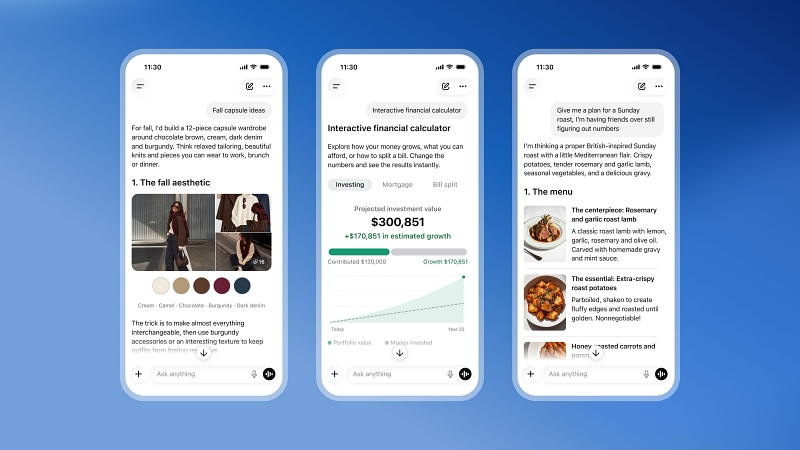
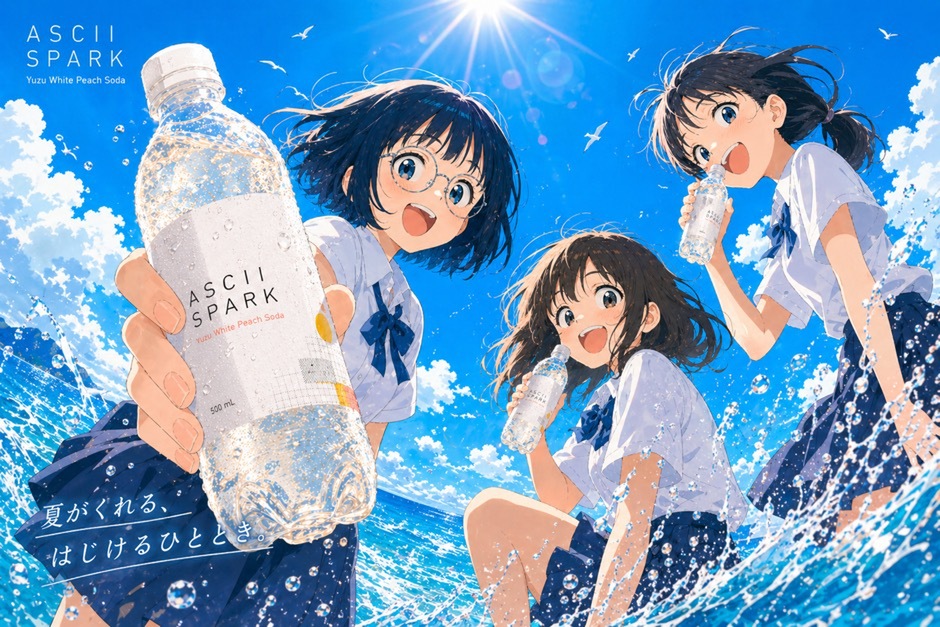
On April 21, 2026, OpenAI released GPT Image 2.0, a new image generation model integrated into ChatGPT. Unlike earlier diffusion-based systems that required separate text overlays, the model produces complete commercial-grade compositions — product packaging, posters, and advertisements — with coherent typography and design elements embedded directly in the output. Early users have demonstrated one-shot generation of beverage labels, fruit-package mockups, and brand-style posters, effectively collapsing the workflow from concept to final visual.
This release shifts image generation from a novelty use case to a viable commercial design tool. The ability to generate polished, text-accurate advertising materials in a single prompt reduces the barrier for small businesses and content creators to produce professional visuals. It also signals a competitive escalation in the generative media segment: OpenAI is directly challenging tools like Adobe Firefly, Canva's AI, and Midjourney by offering tighter integration with conversational workflows and higher design fidelity. The pattern echoes the acqui-licensing and hyperscaler-distribution dynamics seen in earlier model releases, where capability convergence forces incumbents to either acquire or build.
The core open debate here is whether generative media tools will become commoditized race-to-the-bottom utilities or sustain premium pricing through brand trust and ecosystem lock-in. GPT Image 2.0's commercial-grade output pushes toward the bull case that creative-AI platforms can capture enterprise budgets, but the absence of a dedicated API or licensing model update leaves the monetization path ambiguous. Analysts will watch whether OpenAI introduces usage-based enterprise pricing or bundles the feature into existing ChatGPT subscriptions — a decision that will determine whether this capability becomes a margin increment or a new standalone product line.