OpenAI rolls out GPT-5.6 and announces ChatGPT Work agent after government clearance. OpenAI has rec...
The AMW Read
OpenAI's GPT-5.6 release plus ChatGPT Work agent meaningfully updates the frontier model and agent product landscape, though the pattern of bundling agents with consumer products is established.

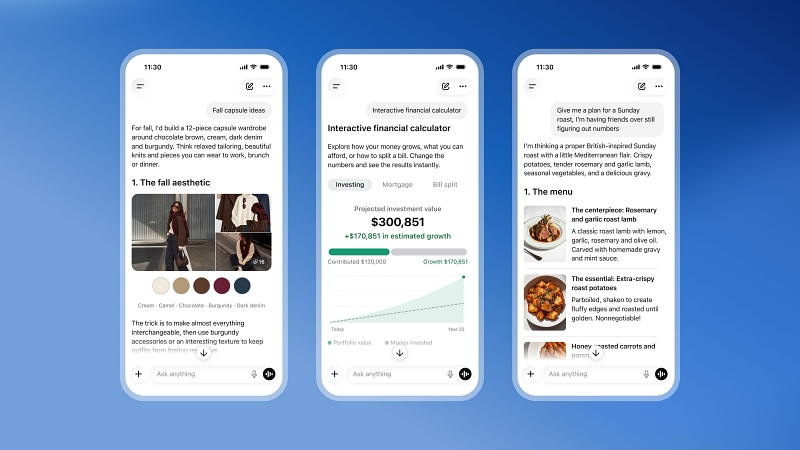
OpenAI rolls out GPT-5.6 and announces ChatGPT Work agent after government clearance. OpenAI has received U.S. government approval to publicly release GPT-5.6, ending a limited preview period restricted to approved organizations. CEO Sam Altman called it “the best model we have ever produced.” Simultaneously, the company unveiled ChatGPT Work, an AI agent combining ChatGPT and Codex capabilities, powered by the GPT-5.6 model suite (Sol, Terra, and Luna). The agent can gather context from apps, files, and workflows to produce documents, spreadsheets, presentations, and web apps, connecting to Slack, Gmail, Google Drive, calendars, and CRMs via a unified plugins directory. Access is rolling out globally to desktop, mobile, and web users, with free users included on desktop.
Why it matters: This launch marks OpenAI’s direct entry into the consumer AI agent race, competing head-to-head with Anthropic’s Claude Cowork (which combines Claude and Claude Code). The timing is strategic, following the viral open-source agent OpenClaw that raised the bar for accessible agentic AI. OpenAI is betting on the Sol model variant to set new standards in intelligence, coding, cybersecurity, and computer use, while marketing GPT-5.6 as a lower-cost alternative amid industry-wide cost pressures. The move deepens the hyperscaler-distribution dynamic by embedding agentic capabilities into the ChatGPT desktop app, potentially expanding the addressable market for AI agents beyond developers to everyday users.
Expert take: With ChatGPT Work, OpenAI is executing a classic moat-broadening play: bundling a powerful agent with its flagship consumer product to capture the non-technical user segment. The unified plugins directory signals a platform strategy, aiming to lock in workflows across enterprise tools like Slack and Gmail. However, the race is crowded — Anthropic’s Claude Cowork and Google’s agent efforts are similarly positioned, and the open-source ecosystem (OpenClaw) threatens to commoditize basic agent functionality. OpenAI’s ability to sustain cost leadership while maintaining model quality will be the key test, especially as capital-compression pressures mount across the industry.