Rebellion and Upstage Reach Unicorn Status on Domestic Capital as Korean Startup Ecosystem Decouples from Global Funding
The AMW Read
The article documents a structural capital-cycle decoupling as Korean AI unicorns are funded entirely by domestic capital with zero foreign participation—an update to §5 global-capital-flow patterns. Novelty 2 because the decoupling pattern has been observed before in Korea, but the scale and exclus

Rebellion and Upstage Reach Unicorn Status on Domestic Capital as Korean Startup Ecosystem Decouples from Global Funding
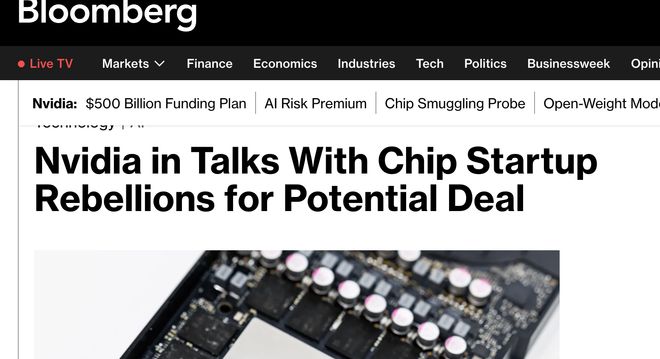
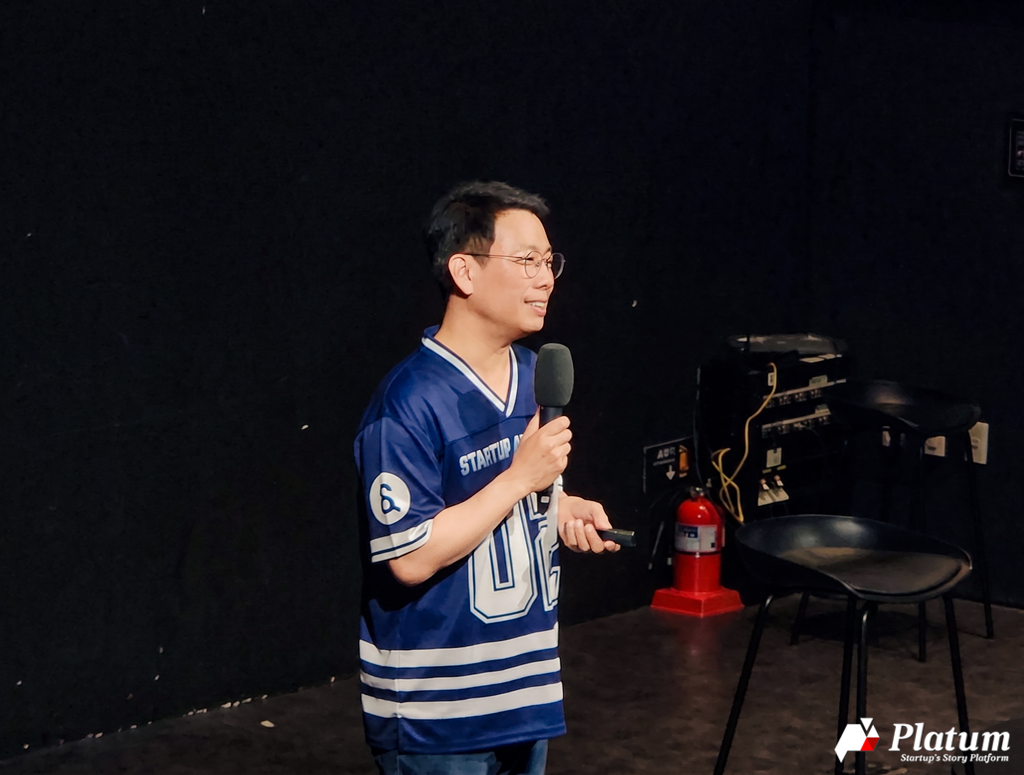
AI chip startup Rebellion (리벨리온) and LLM firm Upstage (업스테이지) have each raised over 500 billion won (~$375M) in recent rounds, achieving unicorn status through domestic Korean capital alone—Rebellion secured 640 billion won (~$478M) in a pre-IPO round, and Upstage raised 560 billion won (~$418M) in direct investment. According to data presented by Startup Alliance co-leader Lim Jung-wook at the Startup Ecosystem Conference, 95.2% of all 100+ billion won ($75M+) funding rounds in Korea this year went to deep tech, with AI semiconductors capturing 34.1% of total volume. Critically, zero foreign investors participated in any of the top mega-rounds—a stark reversal from 2019 when six global firms co-led comparable deals.
Why it matters: This decoupling signals a structural shift in capital cycles under the substrate's §5 recurring patterns. The Korean ecosystem demonstrates the 'fastest-ARR-ramp' pattern but funded entirely by domestic sovereign and institutional money, mirroring the China-style state-coordinated model at smaller scale. The concentration of capital into AI infrastructure (Rebellion, FuriosaAI, deep tech) while global VC focus remains fixed on US frontier labs validates the cross.§D capital-compression arc: frontier AI is absorbing global liquidity, leaving regional markets to self-fund their champions. The lack of foreign exit liquidity—zero $1B+ global exits since 2022—further underscores the pattern of regionally decoupled capital markets.
Expert take: This is a stress test for the 'domestic-cohort unicorn' theory. Korea has successfully incubated two AI unicorns without global capital, but the unanswered question is whether these companies can achieve global commercial traction without the distribution, talent networks, and acquisition channels that cross-border investment provides. Lim's diagnosis—that US AI dominance is drawing global capital away, and Korean startups now face a harder path to international exit—is exactly the kind of open-debate resolution the market needs to watch. If Rebellion and Upstage can land hyperscaler customers or secure a strategic acquisition, it would validate the decoupled model; if they plateau, it would reinforce the thesis that global capital is a necessary catalyst for AI company scaling.