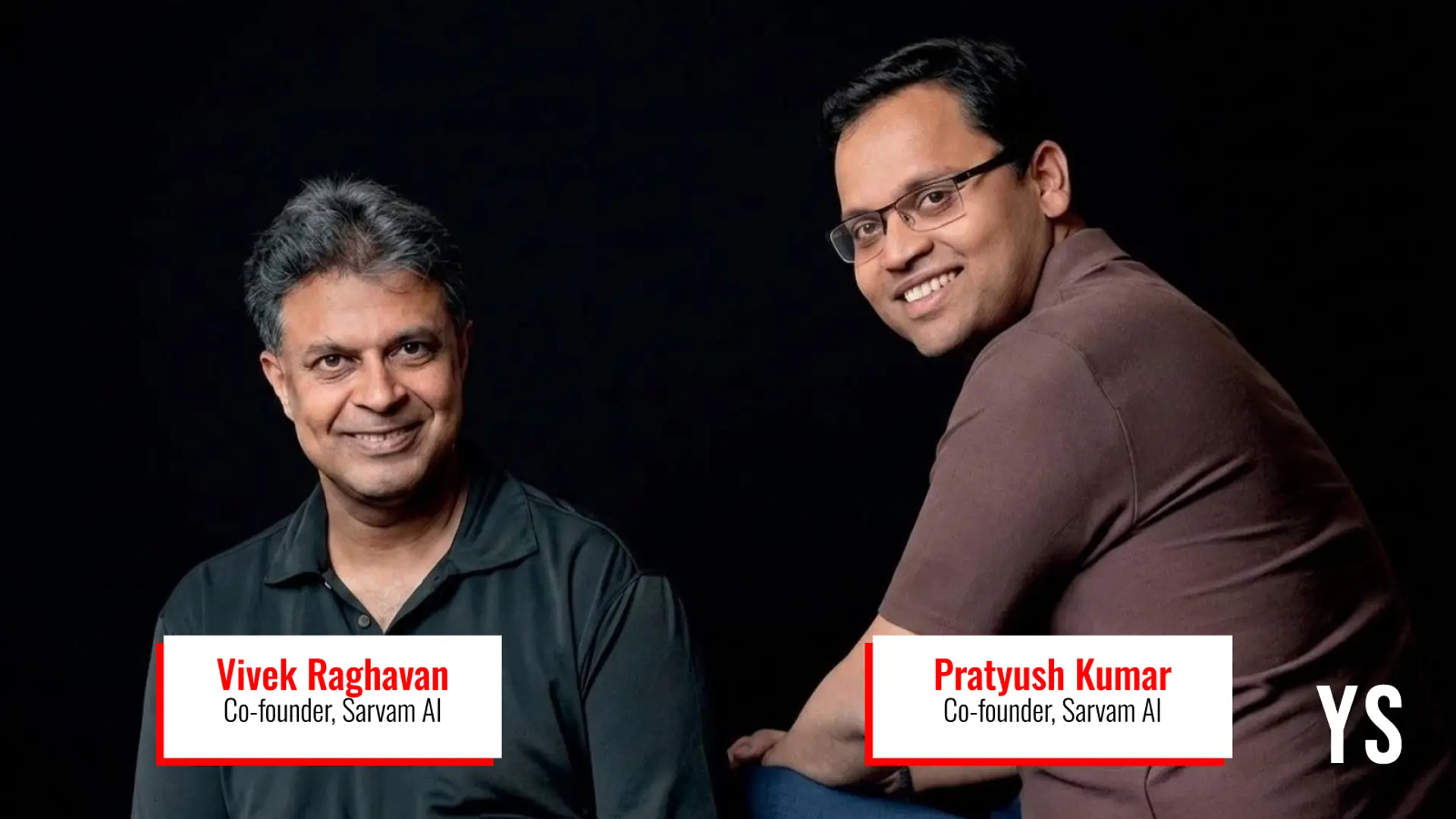
Sarvam AI opens its voice AI platform to the public, moving beyond enterprise-only access. Sarvam ha...
The AMW Read
Meaningfully updates Sarvam's baseline by shifting from enterprise-only to public self-serve distribution, a strategic move that tests India-specific voice AI adoption and scales a key commercial engine.

Sarvam AI opens its voice AI platform to the public, moving beyond enterprise-only access. Sarvam has opened its voice AI platform Sarvam Samvaad to the public, replacing a waitlist-led enterprise onboarding model with a self-serve flow. The platform, which previously served enterprise clients like Tata Capital for multilingual customer interactions, will now allow any business to sign up and build voice AI workflows. The startup is evaluating usage-based billing and tiered plans, including a freemium layer with limited credits to drive initial adoption. Sarvam’s voice AI stack now generates 80% of its $12M ARR, underscoring its shift from Indic AI models to voice as the primary commercial engine. The company is reportedly finalizing a $250M funding round that could push it into unicorn territory.
Why it matters: Sarvam’s move from restricted enterprise access to a self-serve public platform mirrors a broader pattern in AI infrastructure — the fastest-ARR-ramp pattern where API-first, self-serve distribution reduces friction and accelerates developer adoption. The timing is strategic: voice AI is becoming a key enterprise interface for multilingual markets, especially in India. Sarvam’s pricing strategy — particularly whether it adopts an India-first, usage-based model — will be critical to competing against global voice AI players while scaling domestically. The $250M mega-round, if confirmed, would also reflect the capital-compression arc where high-CAPEX AI startups are forced to raise large rounds before proving scalable unit economics.
Expert take: Sarvam’s public launch opens a real test of the hyperscaler-distribution moat: can a homegrown Indian AI lab win developer mindshare against well-funded global voice platforms, or will it remain largely symbolic of sovereign AI ambition? The company’s reliance on voice for 80% of ARR is both a strength and a risk — it shows product-market fit in a high-value vertical, but narrow revenue concentration leaves it exposed to shifts in voice AI pricing or competition from larger labs. The coming quarter’s developer sign-up and conversion rates will offer the clearest signal of whether Sarvam can graduate from enterprise niche to platform-scale adoption.