SkyPilot Launches from Stealth with $20M Seed to Become the Switzerland of AI Compute
The AMW Read
New entrant in the GPU orchestration segment with a strong founder pedigree and a clear neutrality thesis; meaningfully updates the infrastructure player map but does not resolve an open debate.

SkyPilot Launches from Stealth with $20M Seed to Become the Switzerland of AI Compute
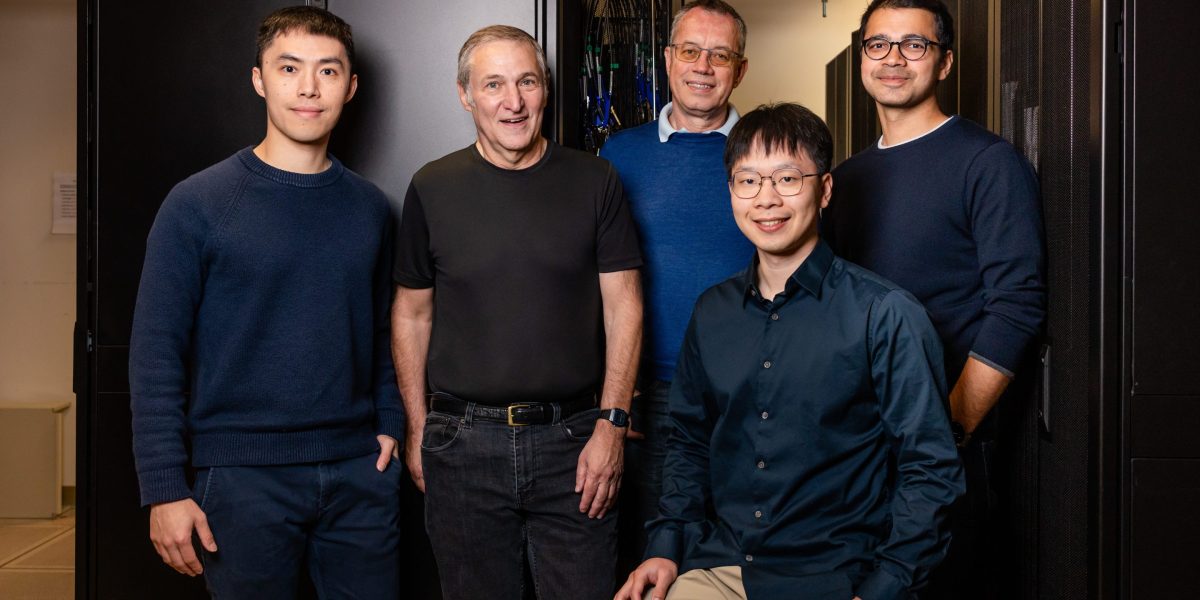
SkyPilot, co-founded by Databricks co-founder Ion Stoica and Zongheng Yang, emerged from stealth today with a $20 million seed round led by Lux Capital, with participation from Coatue and Amplify Partners. The startup offers a GPU orchestration platform that lets companies seamlessly access and manage compute across multiple cloud and hardware providers — including CoreWeave and Nebius — without being locked into any single vendor. CEO Yang says the platform can boost GPU utilization by more than 10%, translating to millions in savings for enterprises spending $100 million annually on compute.
Why it matters: SkyPilot is entering a rapidly consolidating infrastructure layer at the intersection of the hyperscaler-distribution moat and the context-engineering moat. As foundation-model labs and AI-native companies increasingly run on five to ten cloud providers simultaneously merely to secure enough GPUs, the orchestration layer becomes the critical bottleneck. The bet is that neutrality — not owning a cloud or hardware stack — will be the winning posture, echoing the acqui-licensing pattern Nvidia pursued with its $700 million Run:ai acquisition. SkyPilot’s open-source code has been available for years, which creates a distribution funnel but also a monetization challenge; Lux’s Brandon Reeves argues the free version is only 1% of the eventual product, signaling a classic open-core land-and-expand strategy.
Grounded expert take: This is a clear signal that the AI infrastructure substrate is maturing from point solutions toward integrated orchestration layers. The parallel to Databricks’ own trajectory — starting as an open-source project (Apache Spark) and building a commercial layer on top — is deliberate. SkyPilot’s ability to recruit top PhD talent from Stoica’s lab (which already produced Databricks and Anyscale) creates a self-reinforcing talent flywheel. The question is whether the orchestration layer can sustain a standalone business, or whether it will be absorbed into larger cloud platforms or hyperscaler toolchains. The projected $60 billion orchestration market by 2034 suggests the window is open, but the capital-compression arc means SkyPilot will need to show rapid ARR ramp to justify the next round.