Corgi, the AI-powered insurance startup, has reportedly closed a second extension of its Series B ro...
The AMW Read
Three rounds in eight weeks at doubling valuations is an extreme acceleration of the capital-compression pattern for a vertical AI insurtech, updating the segment's player map and capital-cycle dynamics.

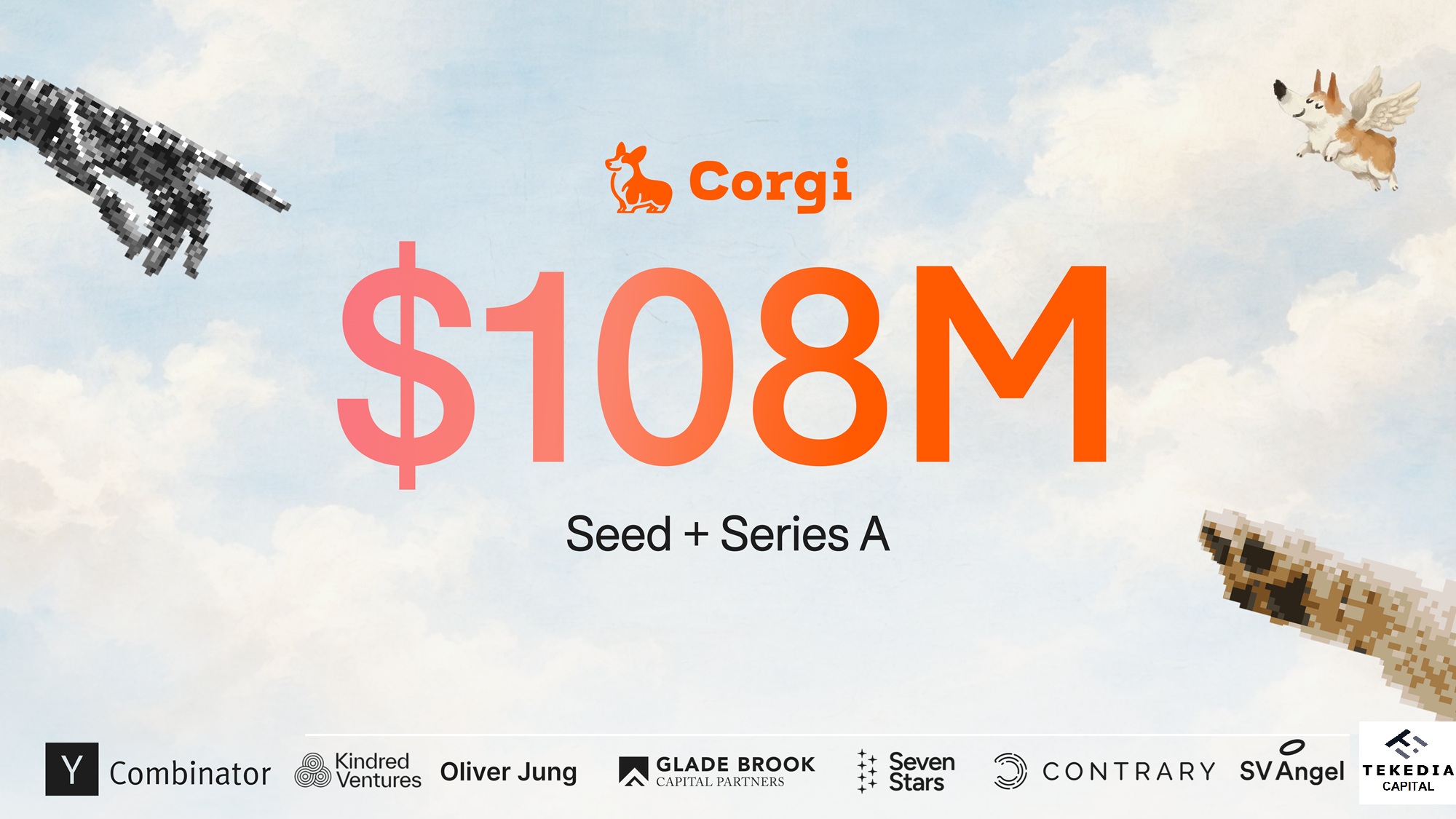
Corgi, the AI-powered insurance startup, has reportedly closed a second extension of its Series B round at a $4 billion valuation, according to sources cited by Forbes. The round comes just eight weeks after the company announced a $106 million B1 at a $2.6 billion valuation, and follows a $160 million Series B in May at $1.3 billion. The Y Combinator alum (summer 2024) has now raised at least $374 million in disclosed equity this year, with revenue projected to hit $450 million in annualized run rate by year-end, up from $40 million at its Series A in January.
Why it matters: Corgi is pushing the fastest capital-compression arc in the AI vertical-SaaS segment, raising three rounds in eight weeks and doubling valuation each time. The company's use of a Risk Retention Group (RRG) structure — a self-insurance pool not backed by state guaranty funds — creates structural cash-intensity that demands continuous capital infusions. This dynamic exemplifies the hyperscaler-distribution moat pattern: AI-native insurance carriers can underwrite more aggressively on speed (instant quotes, fast claims), but the RRG model means a single large claim event could destabilize the pool, making cash reserves the true moat.
Grounded expert take: Corgi's trajectory is a live stress-test of the thesis that AI-first insurance can sustain rapid top-line growth without the capital efficiency of traditional carriers. The company has also diversified into data-room software and physical coffee shops, raising questions about focus. The RRG bankruptcy risk is a real structural vulnerability — one that traditional insurers hedge with state-backed guarantees. If Corgi's ARR growth continues, it will validate the model; if a claims shock hits, it becomes a cautionary case in the skeptic memory for AI insurtech.