XENON launches GenOS 2.0, a no-code enterprise AI platform for internal app building
The AMW Read
Incremental product update for a known Korean player; sub-segment significance for enterprise no-code AI in Korea, with no revenue or adoption data disclosed.

XENON launches GenOS 2.0, a no-code enterprise AI platform for internal app building
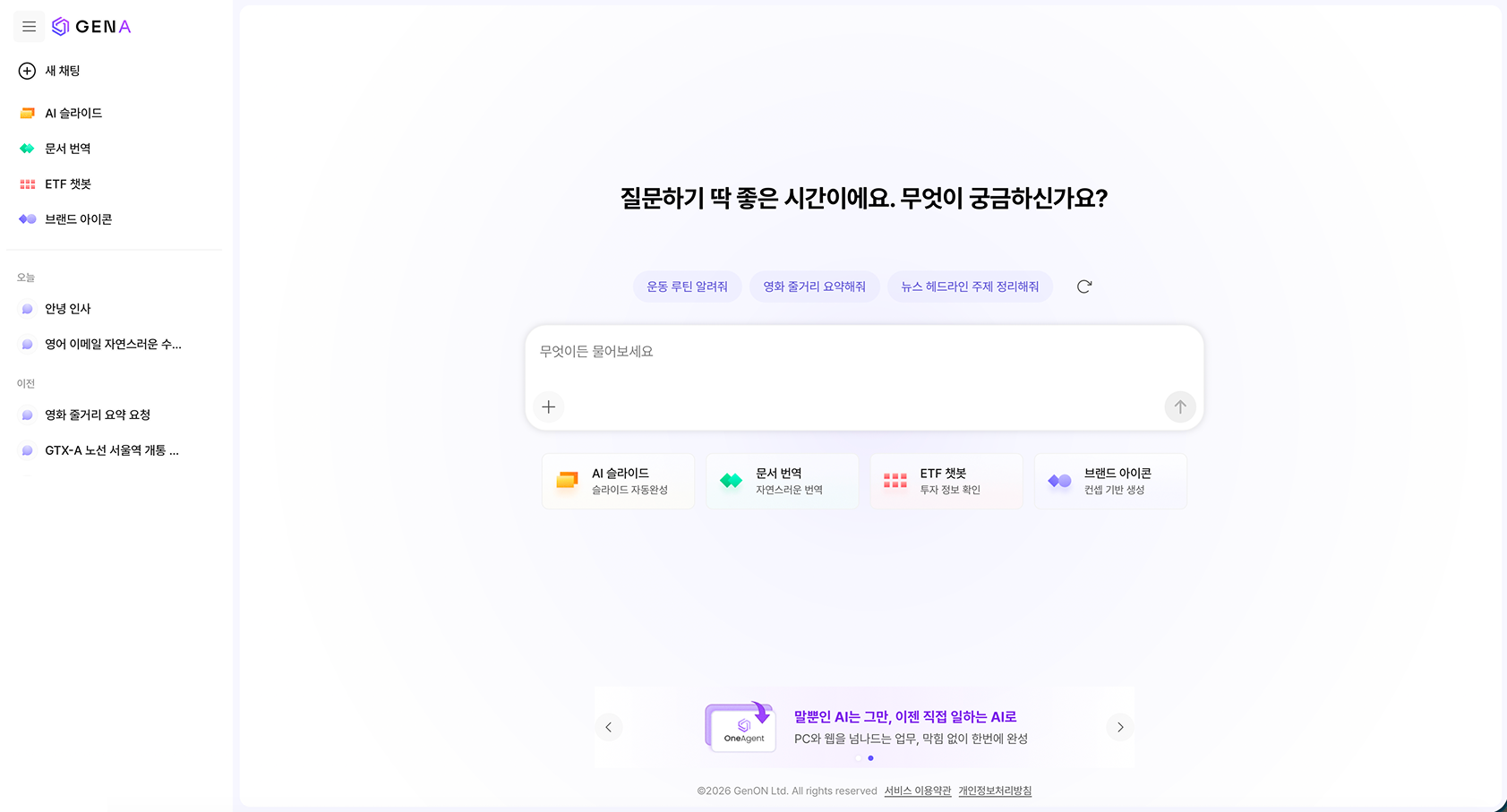
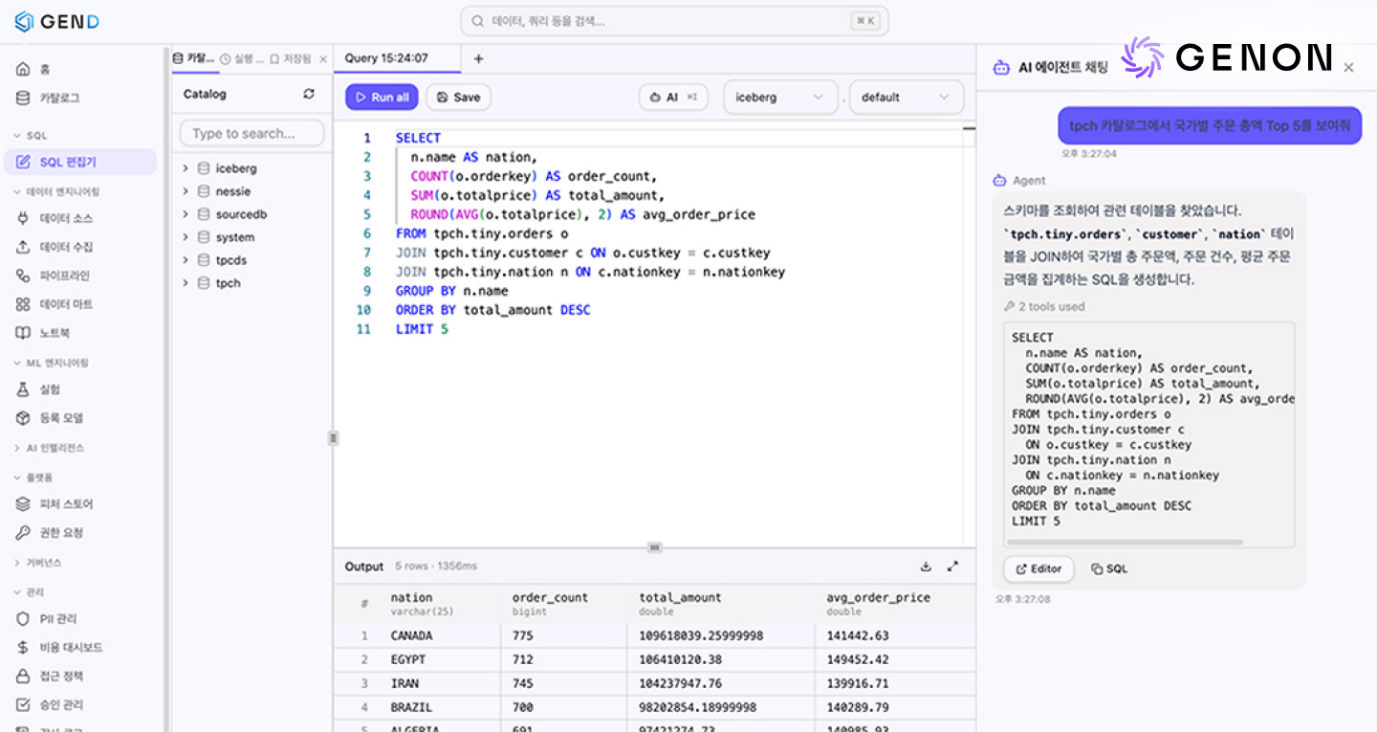
South Korean generative AI solutions company XENON (제논) has released GenOS 2.0, an upgraded version of its enterprise AI platform. The platform now includes two core components: GenBuilder, an AI app builder that lets users describe desired functionality in natural language and have the AI generate, edit, and debug code to produce web applications deployable in a Docker-based sandbox; and GenD, an AI-native data platform that connects relational, vector, and graph databases while loading unstructured data (documents, images) into AI-usable formats. Users can query and analyze enterprise data via natural language prompts without SQL knowledge. The company says GenOS has been applied to AX (AI transformation) projects in finance, power generation, and energy since its 2024 launch.
Why it matters: GenOS 2.0 exemplifies the "context-engineering moat" pattern — wrapping models into a no-code surface layer that ties enterprise data governance (PII masking, RBAC) directly to app generation and agent orchestration. This positions XENON against low-code platforms like Cursor/Windsurf/Copilot in the developer tools segment (Segment 03), but with an enterprise-AX framing that competes more directly with platforms like Microsoft Copilot Studio or Salesforce Einstein. The launch updates the player map for Korean enterprise AI, where local champions (XENON, LG AI Research, Kakao Brain) are racing to offer full-stack AI platforms that blend app-building, data connectivity, and governance in one product — a bundled value prop that hyperscalers have not yet localized for Korean conglomerates' compliance-heavy environments.
Expert take: GenOS 2.0's bundling of app generation and data federation into a single platform with built-in PII masking and RBAC is structurally significant because it targets the specific compliance pain point that has slowed enterprise AI adoption in Korea's finance, energy, and manufacturing sectors. The pre-built integration with Docker sandboxing also reduces deployment friction for IT teams wary of shadow AI. However, the platform's success hinges on whether the natural-language-to-app pipeline actually produces production-grade code for complex internal workflows — a challenge that has bedeviled similar no-code AI platforms globally (the "demo-to-deployment gap" pattern). XENON's track record across multiple industry verticals since 2024 suggests some product-market fit, but the article lacks user counts, revenue figures, or benchmark comparisons that would signal whether GenOS 2.0 is achieving the fastest-ARR-ramp trajectory seen in comparable dev-tool startups.