Lightricks releases LTX-2.3, a single open model for simultaneous video and audio generation.
The AMW Read
The release of a specialized open-weight multimodal model optimized for local hardware advances the 'open-weight/commodity' pattern in generative media and challenges the cloud-only dominance of video generation.

Lightricks releases LTX-2.3, a single open model for simultaneous video and audio generation.
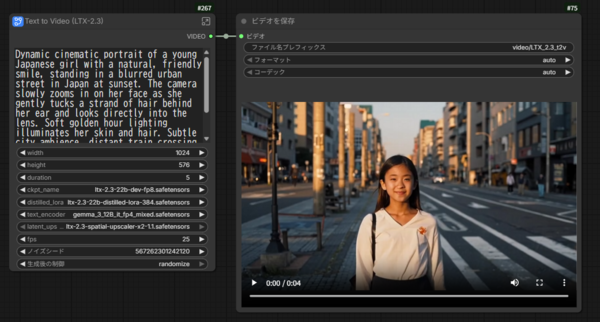
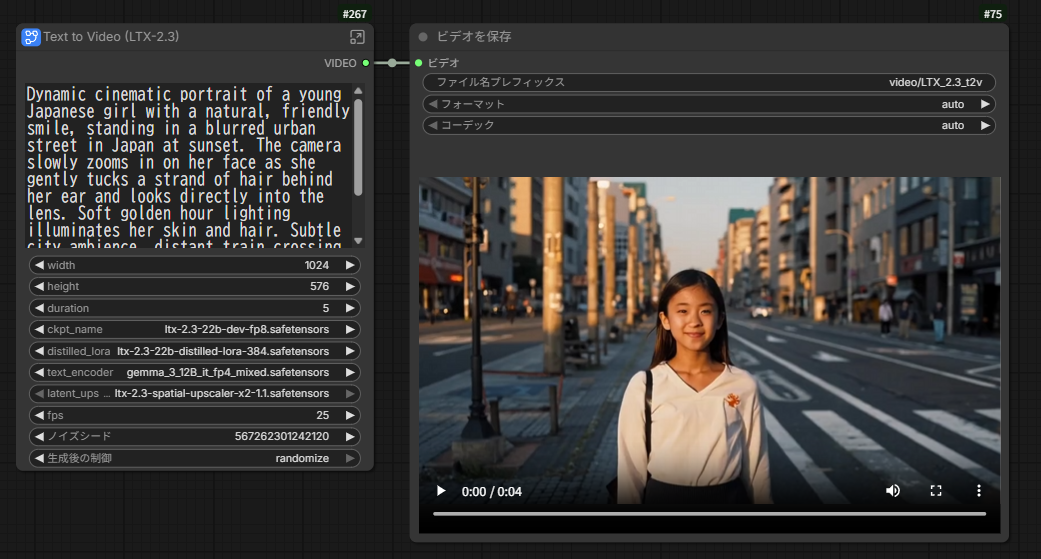
Lightricks has publicly released LTX-2.3, an open model capable of generating video with synchronized audio in a single process. The release was accompanied by practical testing on mid-range hardware, specifically an RTX 4070 GPU with 12GB VRAM, using the ComfyUI interface. The company positions LTX Studio, its web platform that integrates LTX-2.3 alongside models like Google's Veo 3.1 and Kling 3.0, as an all-in-one production suite with timeline editing, professional TTS, and automated storyboard features, offering a Lite plan at $15/month alongside a free tier.
This release matters because it challenges the prevailing market assumption that high-quality video generation is exclusively the domain of cloud services or requires ultra-high-end local GPUs. By providing a capable, free open model optimized for local execution on accessible hardware, Lightricks democratizes a key creative workflow and offers an alternative to cloud-based systems bound by usage credits and corporate content guardrails. It signifies a strategic push towards hybrid ecosystems where cloud platforms serve for templating and initial testing, while final, iterative production shifts to local, unrestricted environments.
The expert take is that Lightricks is executing a savvy, platform-focused strategy common among successful creative tool companies. By open-sourcing a technically compelling model like LTX-2.3, it seeds the market, attracts developer and creator communities to its ecosystem, and drives traffic to its monetized LTX Studio platform. The move pressures pure-cloud video AI providers by addressing the key pain points of cost predictability and creative freedom. However, the long-term competitive advantage will depend on sustained model performance against rapidly evolving giants like OpenAI and Google, and on Lightricks' ability to maintain a superior, sticky integrated studio experience that justifies its paid tiers.