Lightricks has released LTX-2.3, the latest version of its open-source video generation model, along...
The AMW Read
Incremental update to a known player in generative media, but the focus on I2V and local desktop app signals segment-level progress in video generation tools.

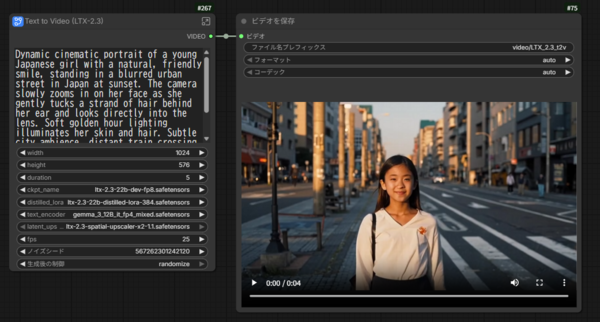
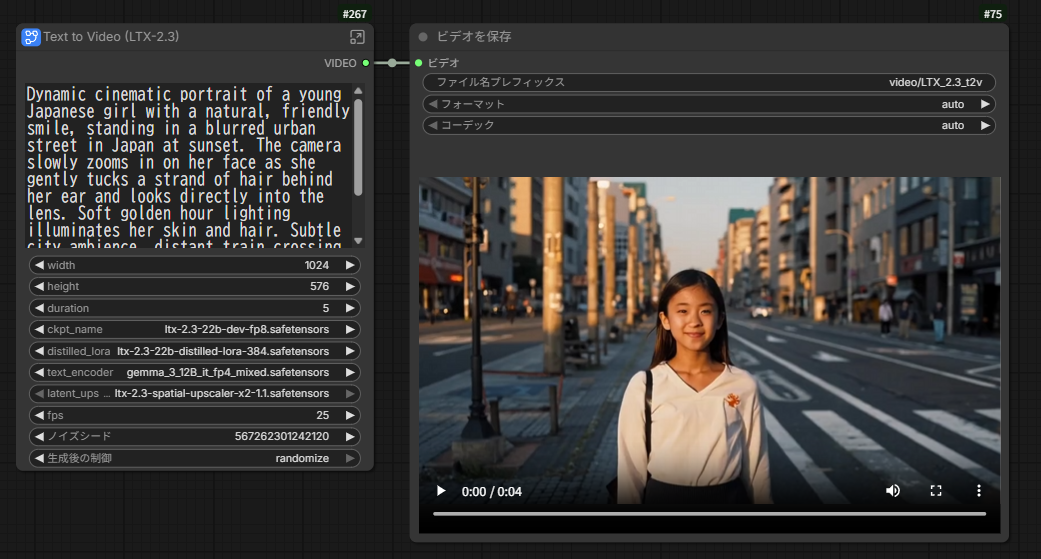
Lightricks has released LTX-2.3, the latest version of its open-source video generation model, alongside a new desktop application called LTX Desktop. The update expands the text encoder capacity by 4x, improving prompt understanding for camera language, composition, and character actions. The VAE module has been updated for better visual detail and motion stability, and audio quality is enhanced with reduced noise and improved synchronization. The model weights are available on Hugging Face and support ComfyUI workflows.
The LTX-2.3 release is significant because it represents a deliberate focus on image-to-video (I2V) generation from the training stage, addressing temporal coherence and natural scene transitions—areas where many open-source video models still struggle. By open-sourcing the weights and offering a desktop app that runs locally on Windows with NVIDIA GPUs (32GB+ VRAM recommended), Lightricks lowers the barrier for professional creators who want to avoid API costs or cloud dependencies. This move aligns with a broader trend of open-weight video models challenging proprietary offerings, particularly for specialized creative tasks.
For builders and investors, the key implication is the continued commoditization of video generation infrastructure. Lightricks is not just releasing a model; it is pairing it with a production-ready desktop tool that targets the creator workflow. This suggests that differentiation in generative media is shifting from raw model quality to the integration of editing, audio, and deployment tools. Teams evaluating video generation stacks should assess LTX-2.3's I2V capabilities and its local execution performance, as these could become competitive benchmarks for the next generation of AI video tools. Per the AI Market Watch index, Lightricks has raised $335M to date, though coverage is limited to indexed companies and may not capture all private activity.