Lightricks' LTX-2.3 Brings Synced Video-and-Audio Generation to Consumer GPUs Locally
The AMW Read
Local consumer-GPU deployment of an already-covered open-weight audio-video model updates a known player's capability without introducing a new entrant or resolving a debate.

Lightricks' LTX-2.3 Brings Synced Video-and-Audio Generation to Consumer GPUs Locally
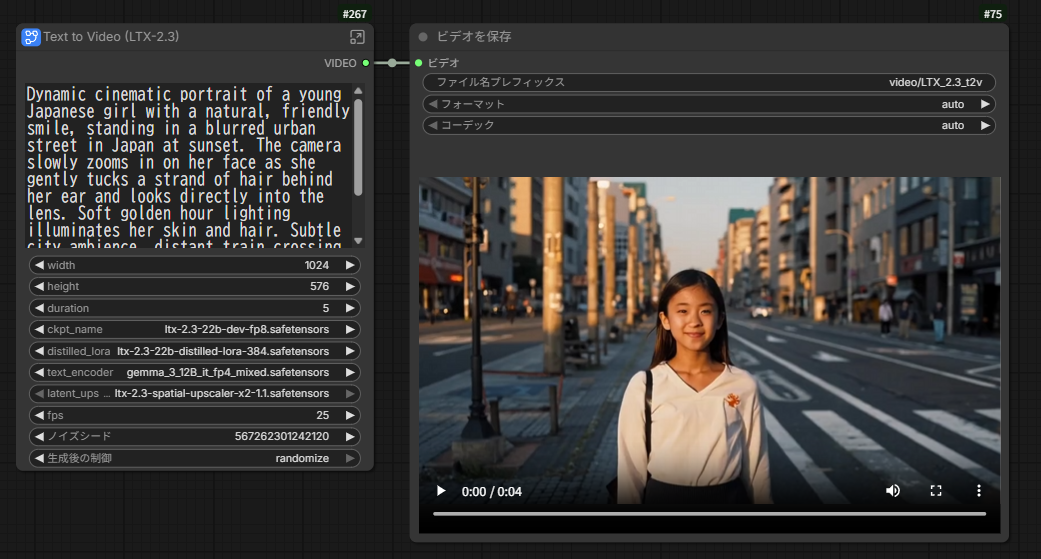
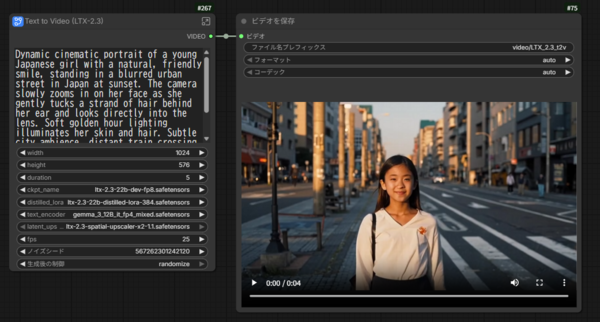
Lightricks released LTX-2.3, an open-weight model that generates synchronized video and audio from a single prompt, and it now runs locally. A hands-on test ran the model in ComfyUI on a mid-range RTX 4070 with 12GB VRAM, producing usable clips without any cloud account. Lightricks also runs LTX Studio, a browser production platform that pairs LTX-2.3 with third-party models — Google's Veo 3.1, Nano Banana 2 (Gemini 3.1 Flash Image), and Kling 3.0 — plus timeline editing, TTS dubbing, and automated storyboarding; a paid Lite tier starts at $15/month alongside a free credit tier.
This is two moves, not one. The open-weight release removes the usual assumption that synced audio-video generation needs a cloud subscription or high-end GPU, letting creators iterate on prompts without per-generation credits or platform content guardrails. The studio release repositions LTX Studio as a multi-model aggregation layer rather than a showcase for Lightricks' own model, hosting Google's and Kling's frontier releases inside one editor. Per the AI Market Watch index, Lightricks has raised $335M in total funding since its 2013 founding — coverage across roughly 5,000 tracked companies, not a census — capital that supports running both tracks at once.
For builders, quality audio-video generation moving onto consumer hardware matters most for workflows cloud guardrails restrict — style-heavy iteration, adult content, high-volume prompt testing — and for teams avoiding per-clip credit costs at scale. For investors, LTX Studio embedding competitor models like Veo 3.1 and Kling 3.0 beside its own signals that near-term value in generative video may be shifting toward the editing/orchestration layer rather than the underlying model weights.