OpenAI Acquires Computational-Photography Startup Glass Imaging for Over $300 Million
The AMW Read
A second hardware-adjacent acquisition after io meaningfully extends the OpenAI case study into on-device imaging, but the ~$300M price sits below the cross-capital threshold and the impact stays within the foundation-model player's own strategy.

OpenAI Acquires Computational-Photography Startup Glass Imaging for Over $300 Million
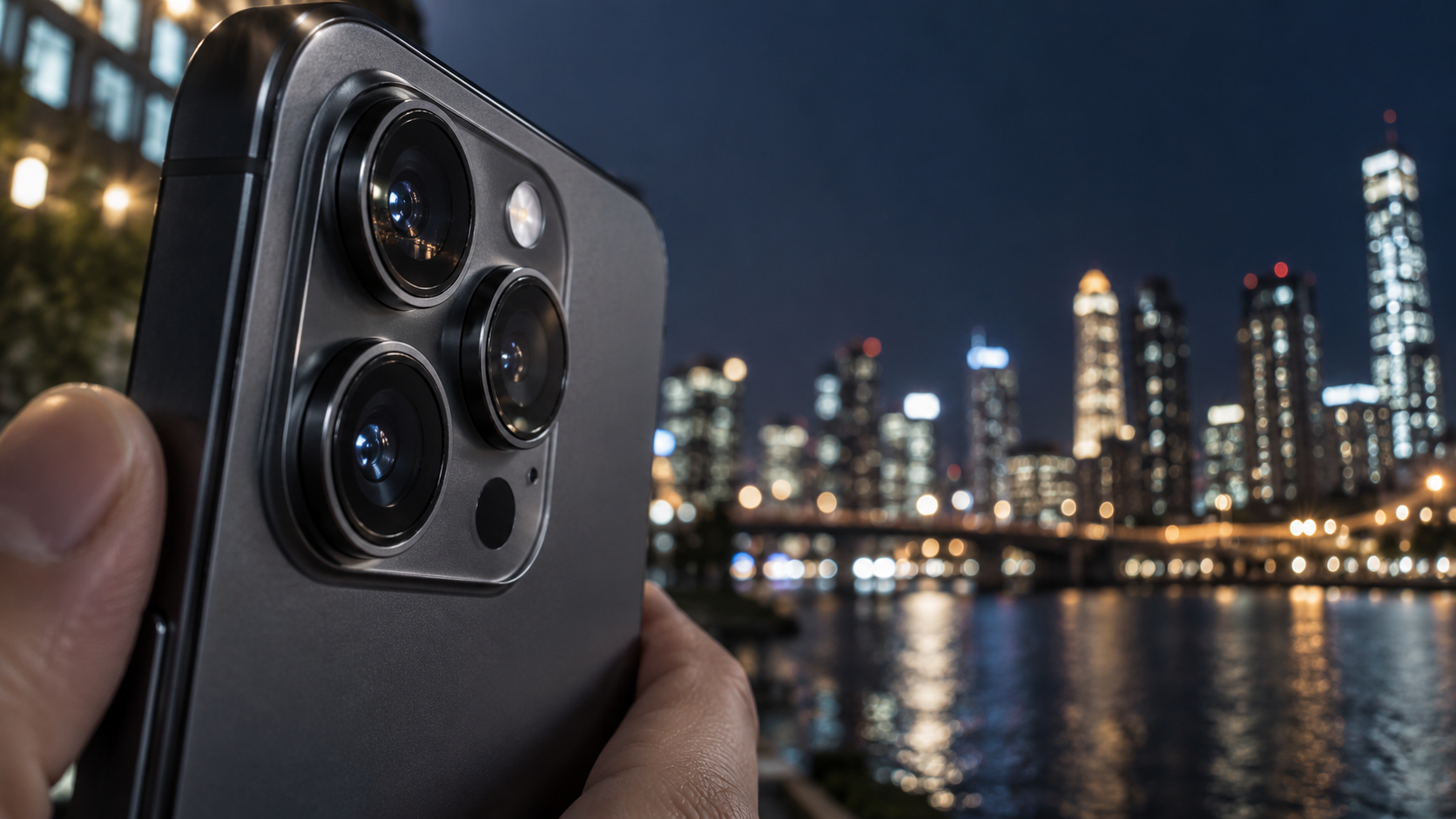
OpenAI has acquired Glass Imaging, a Los Altos, California-based computational-photography startup, in a deal worth more than $300 million, The Wall Street Journal reported on September 14, citing unnamed sources. Neither company has confirmed the transaction or disclosed plans for the technology. Glass Imaging was founded in 2019 by former Apple engineers Ziv Attar and Tom Bishop, who had worked on iPhone Portrait Mode. Its core technology, GlassAI, corrects lens distortion, sensor defects and noise in real time on-device, recovering detail from the camera's actual captured signal rather than generating new content — already shipping in Honor's 600-series phones for zoom enhancement and demoed at the Qualcomm Snapdragon Summit running real-time 4K correction of 20x-plus zoom video on Snapdragon 8 Elite Gen 5 hardware. The startup raised roughly $30 million across three rounds, including a $9.3 million GV-led seed extension in 2024 and a $20 million Series A led by Insight Partners in May 2025 at an approximate $100 million valuation.
The deal extends a pattern set by OpenAI's acquisition of Jony Ive's hardware startup io for $6.5 billion in stock last year, showing the company building out camera and imaging capability alongside its consumer-device ambitions rather than treating hardware as a one-off. Glass Imaging's restoration approach is distinct from OpenAI's existing generative image models — it repairs the physical limits of small sensors and lenses instead of synthesizing new content — giving OpenAI a second, complementary imaging capability for whatever device it ships with Ive's team. The timing lands as OpenAI works through IPO preparation, having confidentially filed in June, while CEO Sam Altman told Fortune in an interview published September 12 that a listing won't happen in 2026, pointing to 2027 or later.
For imaging and camera-AI vendors, the deal signals that frontier labs now treat device-level signal processing as a strategic asset worth owning rather than licensing, raising the bar for independent computational-photography companies competing for the same smartphone and wearable OEM relationships Glass Imaging already had with Honor and the Qualcomm ecosystem. Investors in adjacent on-device vision startups should watch whether OpenAI keeps supplying this tech to third-party phone makers or pulls it exclusively into its own hardware line, since that choice determines whether this was a talent-and-tech buy or a market-foreclosing one.
#OpenAI #GlassImaging #ComputationalPhotography #ConsumerHardware #Acquisition #CameraAI