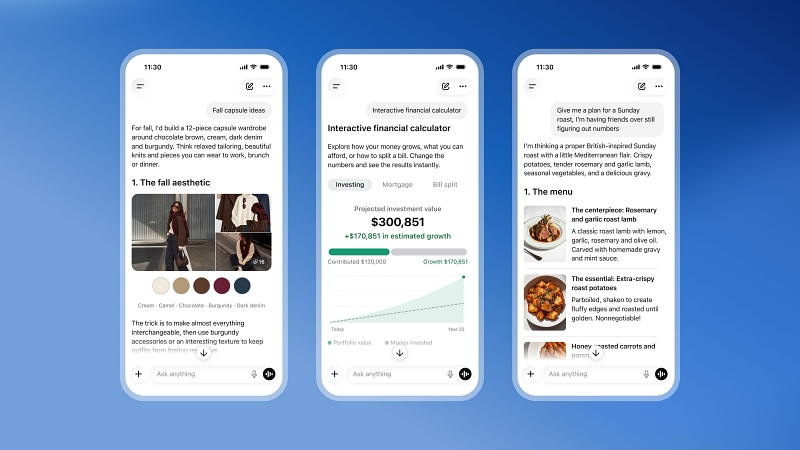
OpenAI is shutting down ChatGPT Atlas, its AI-native browser launched in October 2025, with deprecat...
The AMW Read
Incremental update to known player — product shutdown is notable for platform consolidation signal but does not resolve an open debate or introduce a new entrant.

OpenAI is shutting down ChatGPT Atlas, its AI-native browser launched in October 2025, with deprecation targeted for August 9, 2026. The browser, which could perform tasks on behalf of users, is being sunset as OpenAI consolidates its product suite into ChatGPT Work, a desktop "superapp" that combines the ChatGPT app, Codex, and Atlas capabilities. OpenAI's James Sun noted that Atlas user feedback directly informed the new browser features in ChatGPT Work.
Why it matters: The rapid shutdown exemplifies the hyperscaler-distribution playbook in which a large AI lab launches a standalone product, learns from real-world agent usage, then folds those capabilities into a consolidated platform. OpenAI is prioritizing the "fastest-ARR-ramp" pattern by eliminating side quests and catching up with Anthropic on productivity features. This move also signals a capital-compression arc: even OpenAI, with its massive war chest, is rationalizing product lines rather than maintaining parallel bets.
Grounded expert take: The sunset of Atlas within 10 months of launch updates the canonical case study of OpenAI (Segment 01, §4.1) by demonstrating that even the most well-funded foundation-model lab is willing to kill a consumer-facing product quickly when it doesn't fit the platform consolidation strategy. This aligns with the broader trend where AI labs treat standalone browsers and search tools as experimental probes rather than long-term businesses — a pattern also seen with Perplexity's evolving product strategy and Google's Bard-to-Gemini migrations.
#OpenAI #ChatGPTAtlas #ProductSunset #AIBrowsers #PlatformConsolidation #ChatGPTWork