RLWRLD and KDDI Detail the Work Behind Retail and Logistics Robot Trials
The AMW Read
The interview adds operational detail to an existing robotics partnership, but reports no measured deployment gains or commercial scale.

RLWRLD and KDDI Detail the Work Behind Retail and Logistics Robot Trials
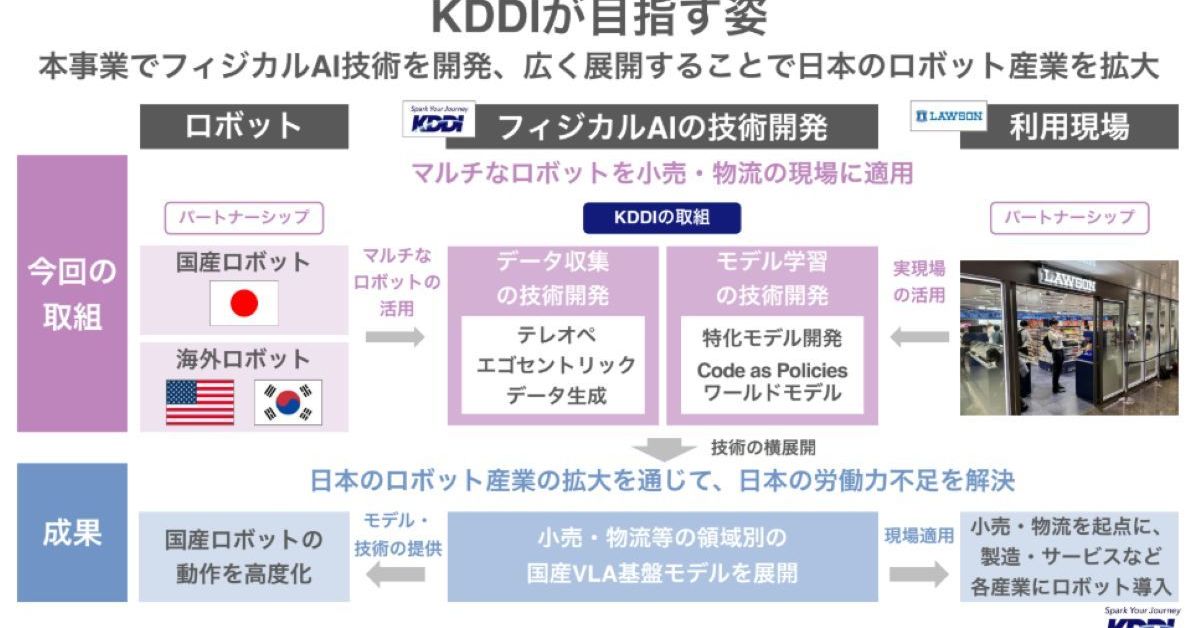
RLWRLD and KDDI outlined their physical AI collaboration at a September 18 session covered by MUGENLABO Magazine on October 28. Their work progressed from KDDI's venture investment and Lawson store visits to robotics foundation-model research under Japan's GENIAC program. The project targets two tasks: collecting robot training data efficiently and developing models for retail and logistics. KDDI is exploring first-person video of workers performing tasks as a data source. Success rates, operating speed and deployment costs remain unresolved.
The account adds operational detail to the GENIAC collaboration AMW covered on October 5. It shows why embodied model developers need access to working environments alongside model expertise. Variable package positions, lighting and human movement make reliable manipulation harder than a controlled demonstration. KDDI contributes access to operating sites, while RLWRLD develops models using field data. That relationship could support a cycle of testing, failure analysis and retraining. The interview describes development work, however, and provides no quantified evidence of production reliability or customer savings.
For builders and investors, the concrete test is whether field learning improves task completion at an acceptable speed and cost. The speakers said AI-only control can slow movement, creating a need to combine learned decisions with rule-based routines. That makes control integration and workflow selection central to commercialization. Before treating these trials as evidence of scalable deployment, investors should seek measured success rates, cycle times and total operating costs for specific tasks, including shelf stocking and package handling.