SpaceX has set its IPO valuation at $1.77 trillion, exceeding Tesla's roughly $1.6 trillion market c...
The AMW Read
Spacex is not in standard AI infrastructure segment but its IPO at $1.77T with explicit AI compute allocation and proximity to xAI/Tesla merger constitutes a structural capital-cycle event and updates the player map of compute-capital deployers.
SpaceX has set its IPO valuation at $1.77 trillion, exceeding Tesla's roughly $1.6 trillion market cap. The company filed with the SEC on June 3, 2026, offering 555.6 million shares at a fixed price of $135 per share on the Nasdaq under ticker SPCX. The offering targets approximately $75 billion in gross proceeds — more than double the previous global IPO record held by Saudi Aramco's 2019 listing. The deal includes an overallotment option for an additional 83.3 million shares, which would raise the total to $86.2 billion. Underwriting is led by Goldman Sachs, with Morgan Stanley, Bank of America, Citigroup, and JPMorgan Chase joining the syndicate.
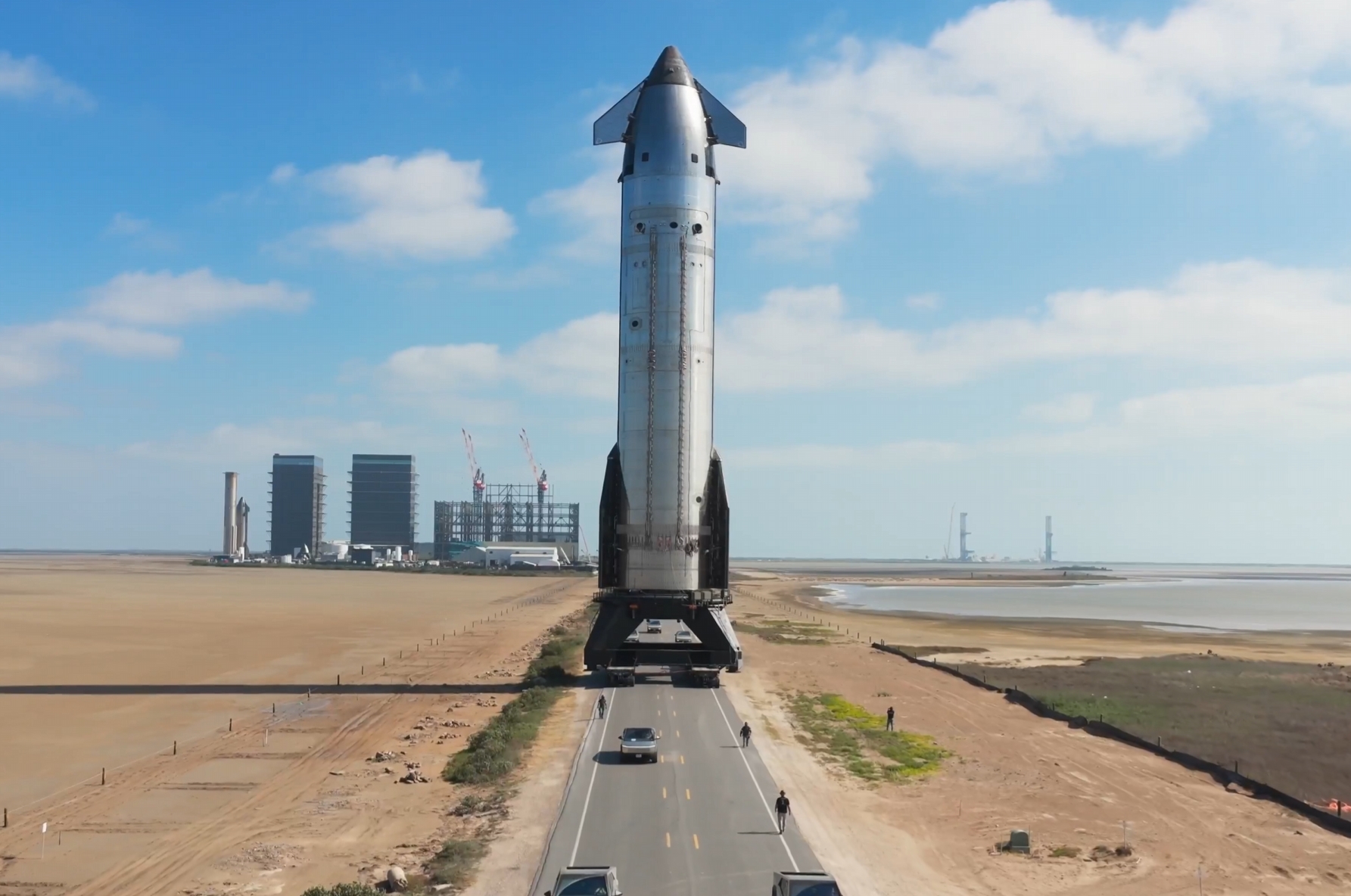
This IPO matters for the AI market because SpaceX plans to deploy proceeds across three pillars: rocket and space-travel development (including Starship), Starlink satellite internet and mobile services, and AI computing tied to its integration with xAI — the Musk-led AI lab that merged with SpaceX's sister company Tesla in February 2026 at a combined $1.25 trillion valuation. SpaceX's filing discloses that xAI purchased $269 million in Tesla Megapacks in April 2026, following Tesla's $430 million sale of large-scale backup batteries to xAI the prior year. The listing also coincides with a wave of AI-company IPOs: Anthropic filed a confidential IPO notice with the SEC on June 1, 2026, and OpenAI is expected to file its own confidential registration within weeks.
The IPO structure is unusual in several ways, signaling how capital markets are adapting to the scale and urgency of the AI buildout. SpaceX set a single fixed price before its roadshow — bypassing the typical price-range discovery process — and is granting retail investors direct access on day one via platforms like Charles Schwab, Fidelity, Robinhood, and SoFi. CEO Elon Musk retains approximately 82.4% voting control post-listing, with a 366-day lockup on his shares. At 94.8x trailing 12-month revenue, the valuation reflects a capital-compression arc in which frontier-technology companies are raising at institutional-scale valuations well before profitability (SpaceX swung from $791 million net income in 2024 to a $4.94 billion net loss in 2025 on $18.67 billion revenue). This reinforces the hyperscaler-distribution moat pattern: compute-intensive infrastructure bets require immense upfront capital — and the public markets are now the venue of choice.