Crusoe Abandons $1.25B Boom Supersonic Turbine Deal for AI Data Centers
The AMW Read
Losing a named launch-supplier deal is an incremental update to a known neo-cloud player, but it signals that power procurement, not GPU supply, is now a structural constraint on AI data center build-out.

Crusoe Abandons $1.25B Boom Supersonic Turbine Deal for AI Data Centers
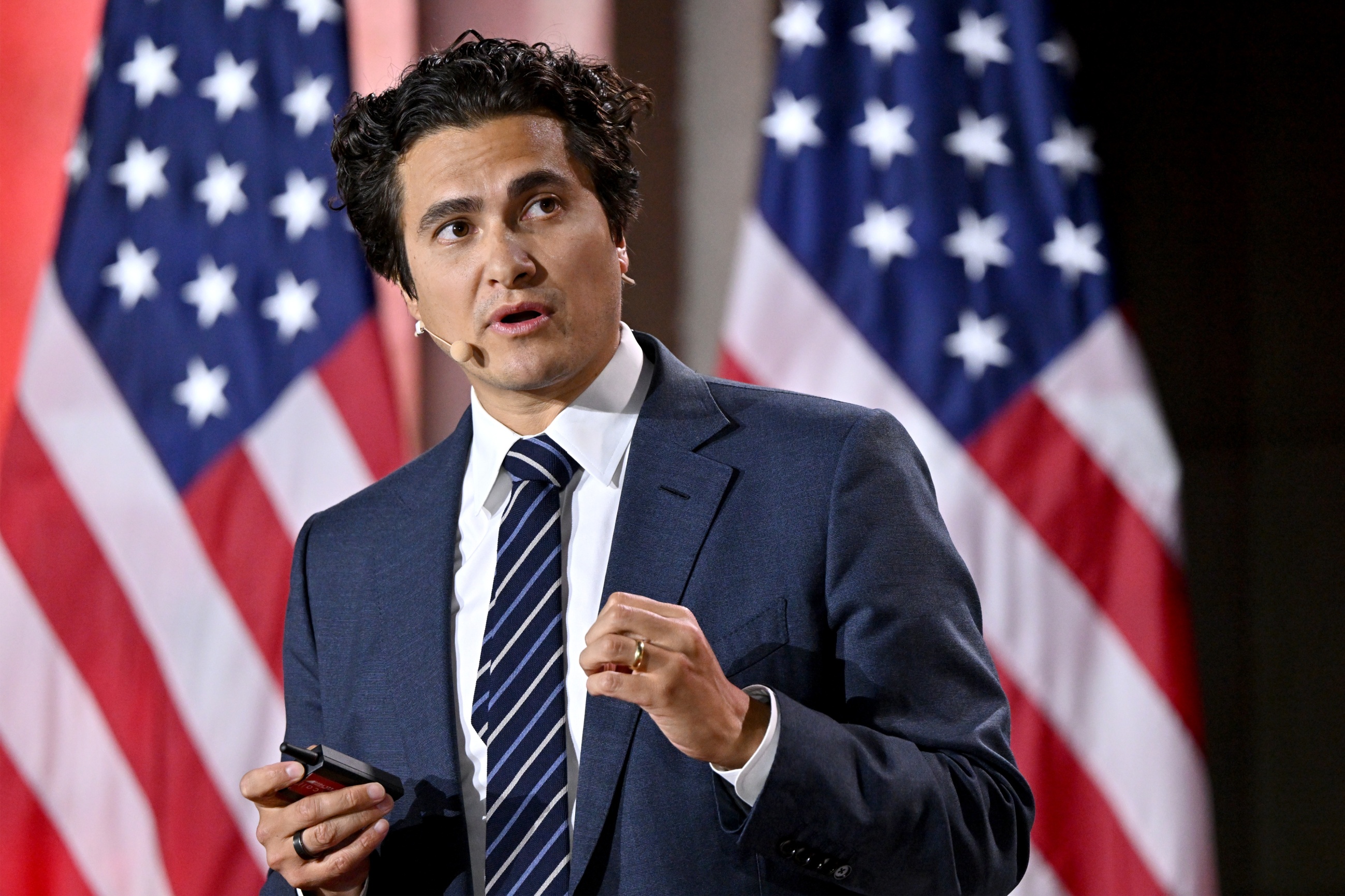
Crusoe, the Denver-based AI data center builder that recently raised $3.9 billion, has ended a $1.25 billion agreement to buy 29 natural-gas-fired Superpower turbines from Boom Supersonic, according to Boom CEO Blake Scholl. The deal, signed as Boom's first stationary power customer, was supposed to begin delivering 42-megawatt units in 2027. A Crusoe spokesperson confirmed the company still plans to use turbines — "just not Boom's" — citing site-by-site flexibility across gas, wind, solar, batteries, and grid power. Boom says it will deliver roughly 250MW of Superpower units to other sites next year and targets 1GW by 2028.
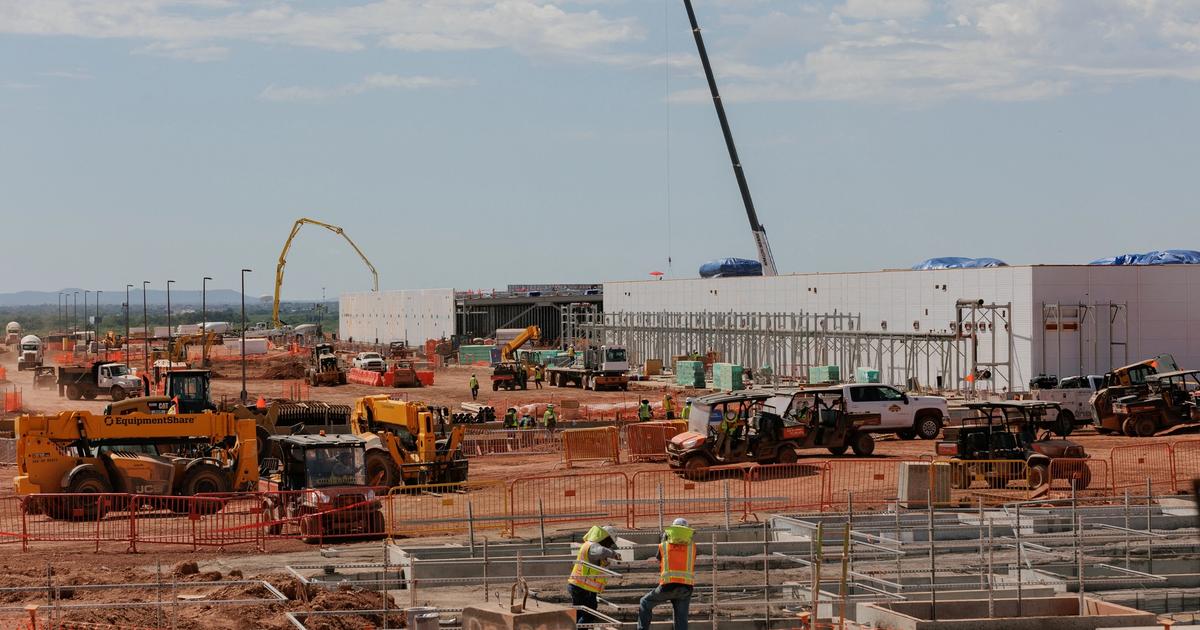
Power procurement has become the binding constraint on AI data center expansion, and Crusoe's pivot shows how quickly vendor commitments can be reshuffled when site economics shift. The company's 1.2GW Abilene campus for Oracle and OpenAI runs on grid power with gas turbines for backup, while a separate 900MW Abilene build for Microsoft will rely on on-site gas turbines. Losing its launch customer is a real setback for Boom, but the more consequential signal is that AI campus developers are treating turbine suppliers as interchangeable and demanding optionality across energy sources as they scale.
For builders and investors, the takeaway is that power sourcing — not GPU allocation — is increasingly where AI infrastructure timelines slip. Crusoe has logged five items in the AI Market Watch pipeline over the past 90 days, per the AI Market Watch index, spanning a $13B Jane Street compute deal, a $3.9B Series F at a $30.9B valuation, and a supply agreement with Thinking Machines Lab; the turbine reversal doesn't undercut that momentum, but it underscores that energy flexibility is now a core competency for anyone underwriting gigawatt-scale AI campuses.