Crusoe closes $3.9B Series F at $30.9B to fund OpenAI-linked campuses and truckable Spark factories
The AMW Read
$3.9B at $30.9B revises Crusoe’s known Series F close and funds explicit data-center plus modular AI-factory build-out with Nvidia and sovereign capital.

Crusoe closes $3.9B Series F at $30.9B to fund OpenAI-linked campuses and truckable Spark factories
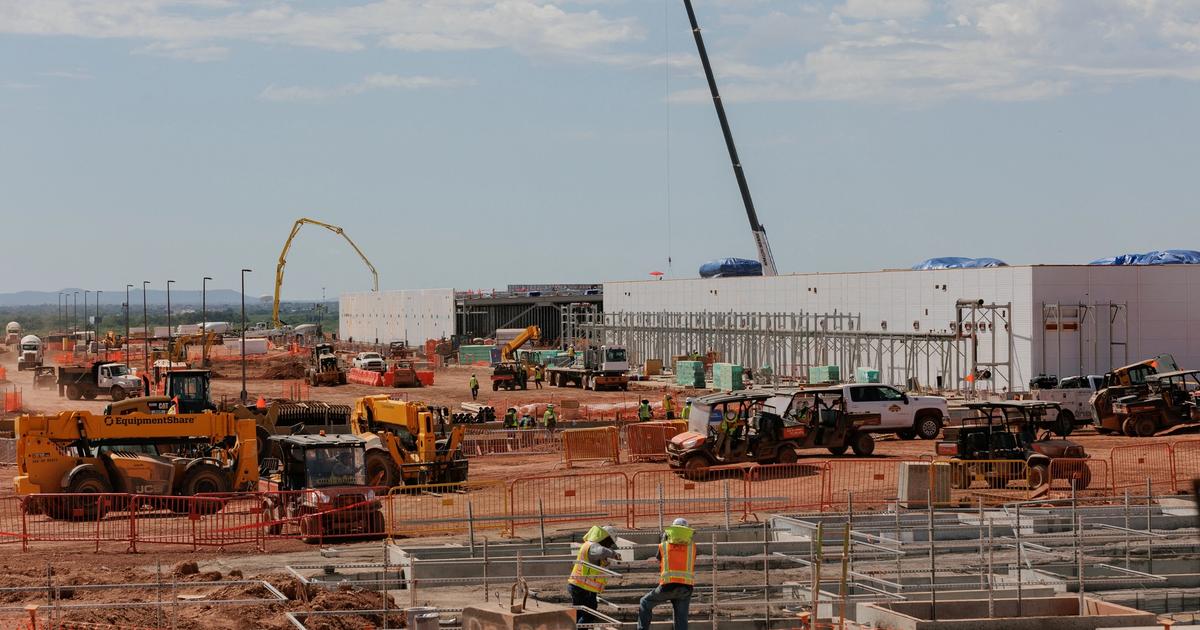
Data center developer Crusoe raised $3.9 billion in a Series F that values the company at $30.9 billion, co-led by Atreides Management, Mubadala Capital, and Valor Equity Partners, with Founders Fund, GIC, Nvidia, Qatar Investment Authority, Radical Ventures, and TPG also in. Proceeds will finance existing projects, including a large Abilene, Texas site used by OpenAI, plus Spark—factory-built modular AI data centers that can be trucked to power sources and stood up with less on-site construction. Crusoe added Cloudflare CFO Thomas Seifert, Primary Digital Infrastructure partner Bill Stein, and Redwood Materials founder JB Straubel to its board. The company leases space to GPU-bringing customers, rents its own GPUs, and sells inference; customers include Meta, Microsoft, and Oracle, and it recently signed a reported $13 billion, five-year Jane Street cloud deal.
The close revises earlier September reporting of a roughly $3 billion Series F near a $30 billion valuation and concentrates sovereign plus Nvidia capital behind a neo-cloud builder competing for scarce power-connected capacity. Crusoe’s pitch—“controlling the infrastructure from electrons to tokens”—lands as labs and trading firms still outbid traditional campus timelines; modular Spark units are also a bet that smaller footprints can dodge some local backlash against giant complexes. Per the AI Market Watch index, Crusoe news flow jumped to 2 pipeline items in the last 90 days from 0 in the prior window, coverage limited to name-matched ingested sources.
For investors and operators, the implication is that AI infrastructure can still clear multi-billion private rounds after marquee demand proofs, and that deployable modular capacity may become as strategic as megacampus land banks—especially if IPO talks with Goldman Sachs and Morgan Stanley firm up.