OpenAI Brings Codex Mobile Supervision to ChatGPT App for On-the-Go Code Approval
The AMW Read
Novelty 2: meaningfully updates OpenAI's Codex product with a cross-device supervision layer not previously in the corpus; Significance 2: segment-level impact on AI coding workflow friction, but does not resolve a named open debate or introduce a new top-tier entrant.

OpenAI Brings Codex Mobile Supervision to ChatGPT App for On-the-Go Code Approval
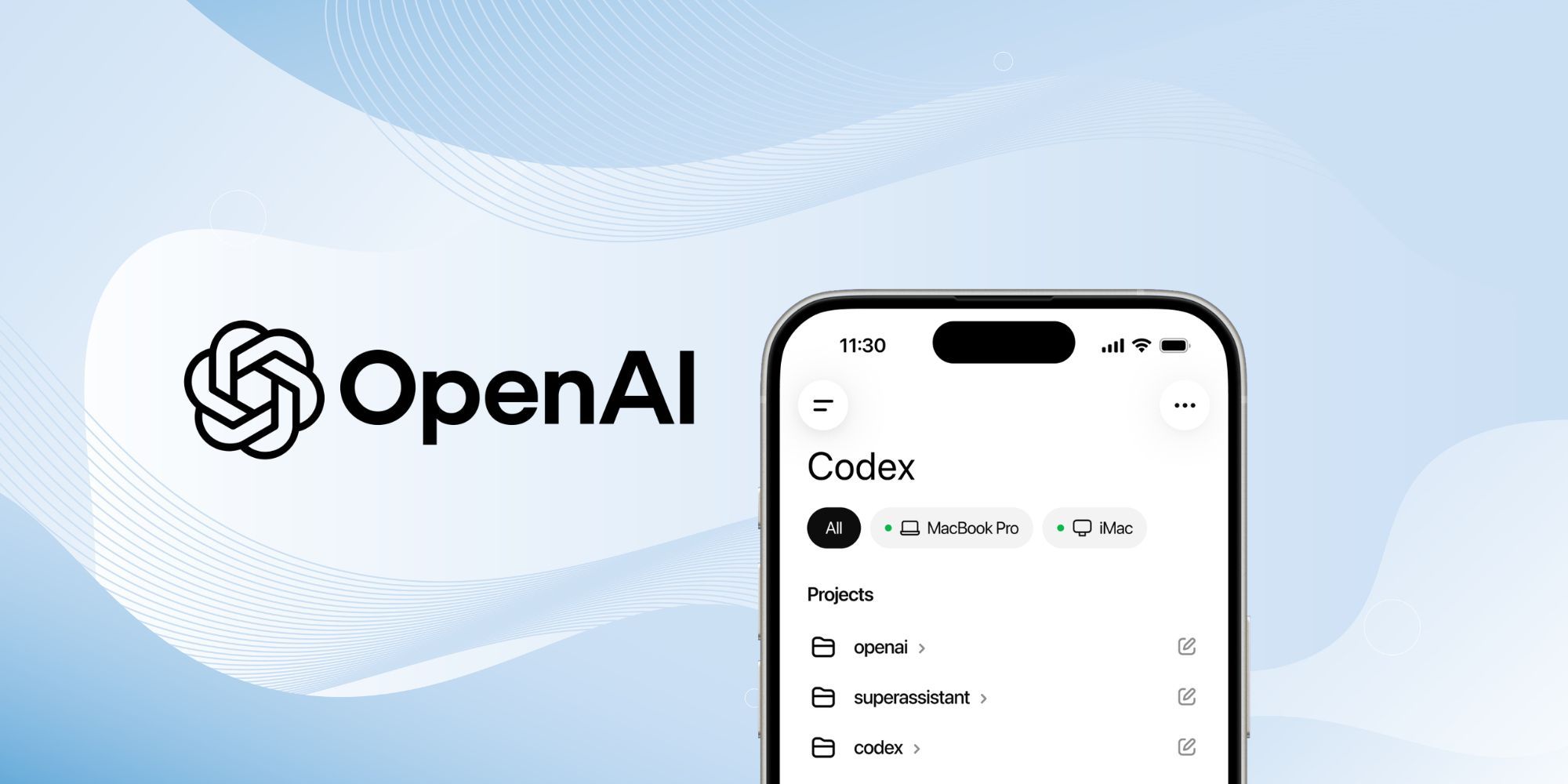
On 14 May 2026, OpenAI launched a mobile supervision preview for its Codex coding agent within the ChatGPT app on iOS and Android, enabling developers to review AI-generated code, approve or deny sensitive commands, and monitor active agent sessions from their phones while the agent continues running on connected Macs, remote dev machines, or managed workspaces. The feature addresses a key bottleneck in agentic coding workflows: waiting for human approval before the AI executes higher-risk operations such as file edits, package installs, or network access.
Why it matters: This update signals that OpenAI is commoditizing the human-in-the-loop approval layer — a friction point that has limited the pace of AI-assisted development. By reducing idle time between AI action requests and human sign-offs, OpenAI deepens its position in the AI coding tools segment, where distribution moats are increasingly built on workflow continuity rather than raw model capability. The mobile hook extends Codex’s reach into always-on engineering, potentially accelerating the shift from ad-hoc AI copilots to persistent, supervised agents.
The move aligns with a broader pattern across the developer tooling ecosystem: pushing AI agents from interrupt-driven to continuous-operation mode. For distributed teams and multi-timezone engineering orgs, mobile approval could meaningfully compress cycle times on long-running automation tasks. However, it also places greater trust burden on the sandboxed environment and approval policy configuration — areas where incidents could erode confidence in fully autonomous coding agents.