Google tests AI inference on an orbiting TPU satellite
The AMW Read
The demonstration updates a known infrastructure experiment, but its power limits and unproven economics constrain its near-term impact.
Google tests AI inference on an orbiting TPU satellite
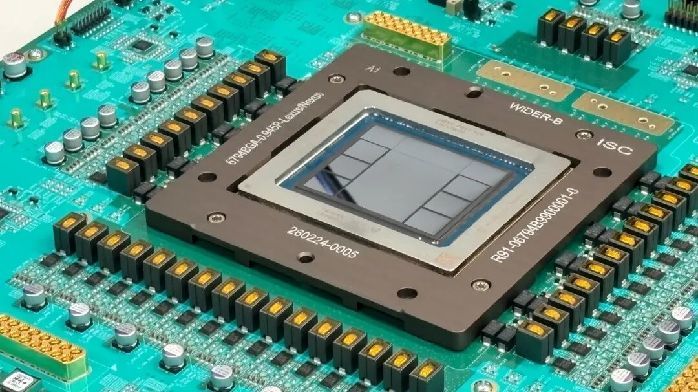
Google says its Project Suncatcher prototype generated an AI response in orbit using a TPU and the Gemma 4 model. The satellite returned a haiku to a ground station in Svalbard, Norway. Built with Planet and launched on a SpaceX Falcon 9, the prototype carries four TPUs. Its power supply allows one TPU to operate at a time for about 20 minutes, according to the report.
The test adds evidence to an emerging area of AI infrastructure: running data center hardware in space. It also follows AI Market Watch's October 31 coverage of the same demonstration; this report adds details on the satellite's power limits and Google's planned follow-up tests. Google says it plans to launch two more satellites in 2027 to test laser communications and distributed computation. A single response does not establish that orbital data centers can operate reliably or compete on cost with facilities on Earth.
For infrastructure investors and builders, the next question is whether the system can move beyond short, power-limited tests. Heat must be released through radiators, radiation can disrupt chips and memory, and launch and repair costs remain substantial. Google is testing a cooling system that combines heat pipes and radiators, while its project lead expects it to take considerable time for space-based data centers to become cheaper than terrestrial ones.