Google reports first AI response from an orbiting TPU
The AMW Read
The first reported orbital response advances Google's infrastructure experiment, but sustained reliability and commercial economics remain unproven.
Google reports first AI response from an orbiting TPU
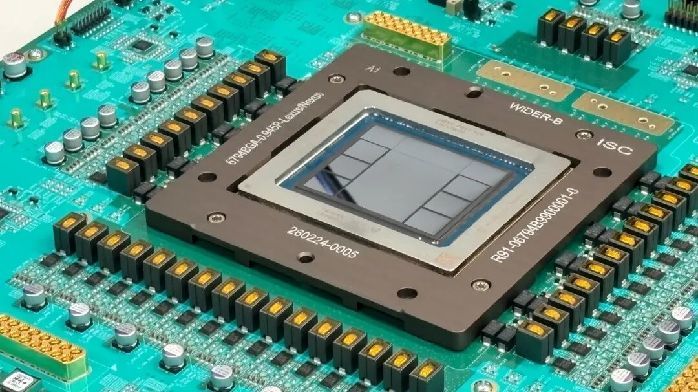
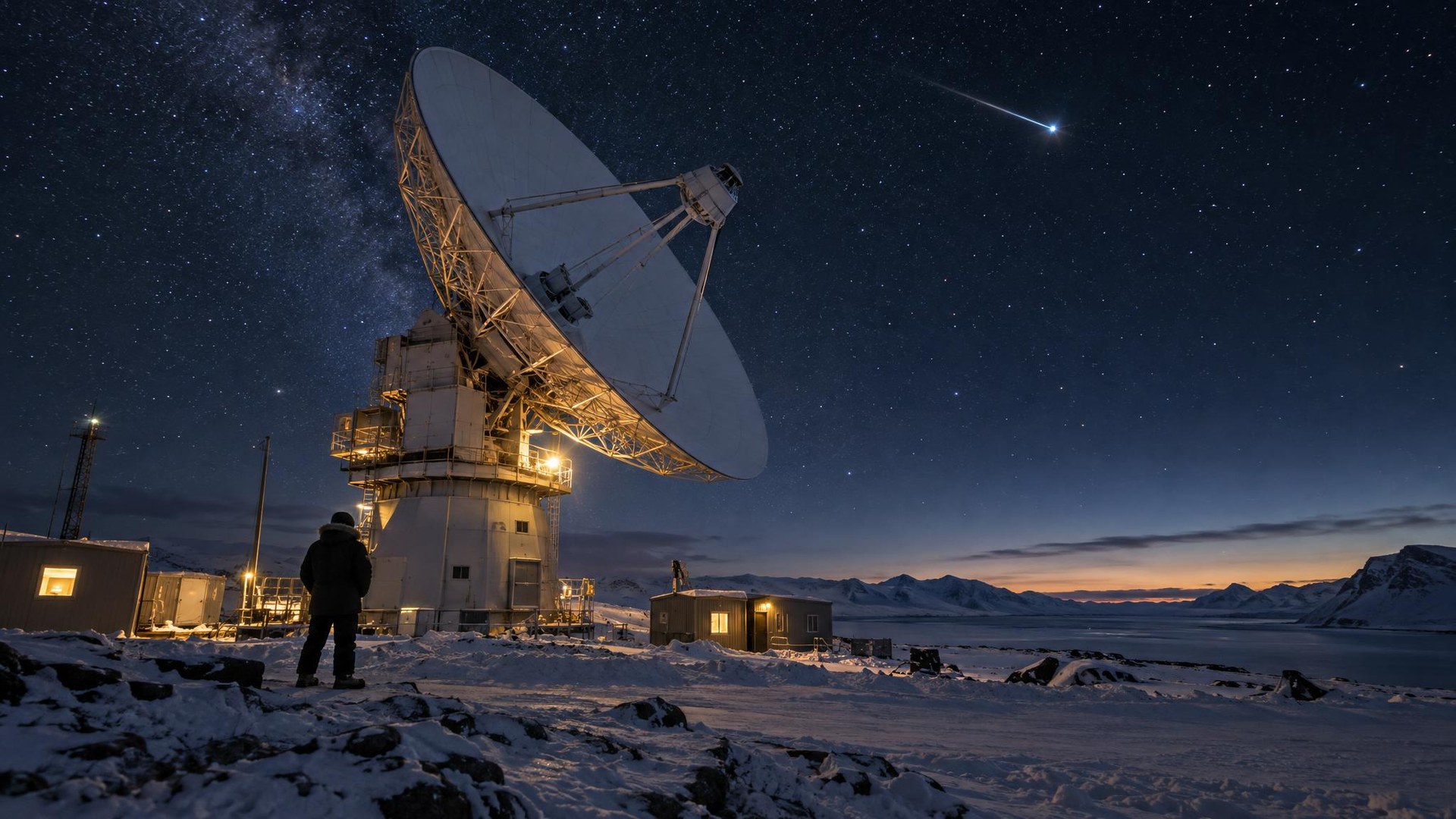
Google says its Project Suncatcher prototype satellite has sent an AI-generated haiku from orbit. The response came from an onboard Gemma 4 open model running on a data-center-class tensor processing unit. Google called the result a first for an orbiting TPU of that class. The satellite, built with Planet, launched on SpaceX's Transporter-18 mission on October 1, 2026. The team subsequently tested additional prompts and telemetry reporting.
The demonstration places Google in an experimental part of the AI infrastructure market: computing in space. Google is investigating whether connected, solar-powered satellites could eventually handle larger machine-learning workloads in orbit. This first response shows that the prototype can run a model and transmit its output, but it does not establish the reliability, cost, or scale of an orbital data center. Radiation, heat removal, and high-bandwidth communication between moving satellites remain engineering challenges.
For builders and investors, the next evidence is operational rather than poetic: Google plans to assess TPU performance under orbital radiation and thermal stress. It also plans to test satellite interconnection in 2027. Ground tests indicated that a Trillium TPU could withstand a total radiation dose exceeding that expected during a five-year space mission, according to Google. Those tests and the initial inference result do not yet establish sustained orbital performance or commercial economics.