XCENA raises $135M for CXL-based memory chips targeting AI bottleneck
The AMW Read
New entrant in AI infrastructure memory sub-segment; round size is moderate and revenue is 2+ years away, confirming known trajectory.

XCENA raises $135M for CXL-based memory chips targeting AI bottleneck
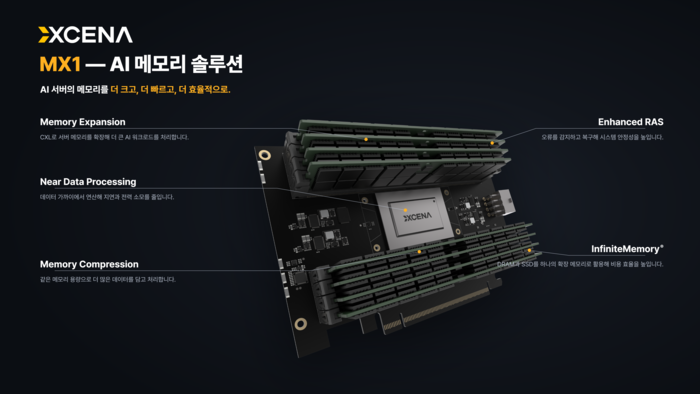
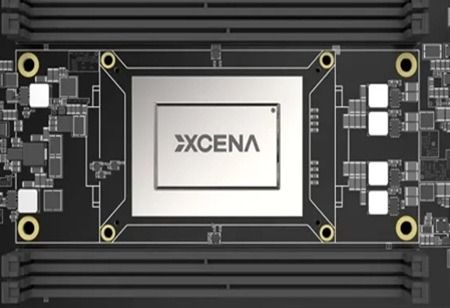
South Korea-based AI memory chip startup XCENA has raised $135 million in fresh funding at a post-money valuation of $570 million, bringing total investment to approximately $185 million. Founded by former Samsung and SK Hynix semiconductor engineers, the company is developing computational memory technology using the Compute Express Link (CXL) standard to address the memory bottleneck in large-scale AI inference and training workloads. Its MX1 chip will be manufactured through Samsung's foundry network, with production slated for late 2026 and commercial revenue expected in 2027.
Why it matters: XCENA's raise is a signal that the AI infrastructure layer is fragmenting beyond GPUs and accelerators into specialized memory subsystems. The company is targeting a structural weakness in current AI deployments — the growing gap between compute throughput and memory bandwidth that forces hyperscalers to over-provision servers. If XCENA's CXL-based computational memory reduces server count for a given workload, it could lower total cost of ownership for cloud providers, which would pressure incumbents like Samsung and SK Hynix to accelerate their own memory innovations.
Grounded take: This is a classic bet on the memory wall as the next chokepoint in AI infrastructure. XCENA is not trying to compete with Nvidia but to optimize the data movement around it — a strategy that becomes more valuable as model context windows grow and reasoning models demand larger memory pools. The $135M round is material but below the $500M threshold for a cross-capital cycle signal, and the 2027 revenue timeline means this is a long-cycle infrastructure bet, not a near-term disruption. The company's reliance on Samsung for fabrication also creates a potential conflict, as Samsung is both foundry partner and competitor in memory chips.
#AIInfrastructure #MemorySemiconductors #CXL #AIChips #SouthKorea #DataCenterEfficiency