XCENA targets AI memory bottleneck with near-memory computing
The AMW Read
Incremental new entrant in AI infra, but near-memory CXL solution addresses a structural bottleneck at segment level.

XCENA targets AI memory bottleneck with near-memory computing
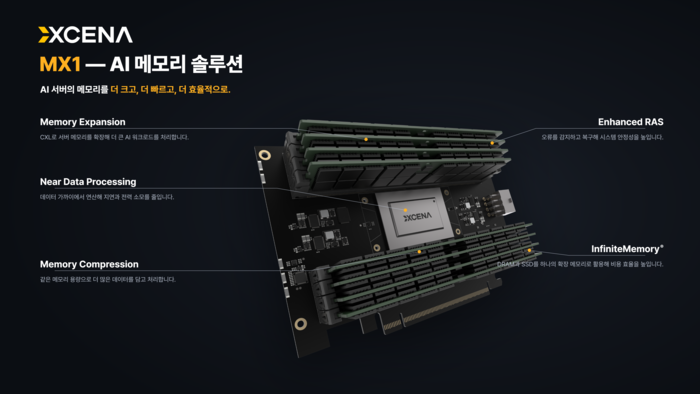
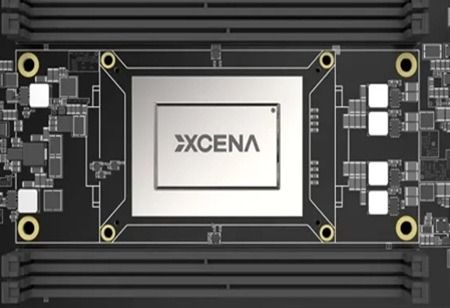
South Korean chip startup XCENA has developed a computational memory chip called MX1 that uses near-memory computing to address the memory bottleneck in AI inference. The MX1 attaches processing cores directly to DDR5 DRAM and SSDs via the Compute Express Link (CXL) standard, reducing data movement and improving server efficiency. CEO Jin Kim stated the chip solves KV cache bottlenecks in large language models, where growing memory demand from AI agents and longer inference sessions strains traditional architectures. XCENA is conducting proof-of-concept projects with partners, targeting tape-out and mass production in H2 2026, using Samsung Foundry's 4nm process.
Why it matters: Near-memory computing represents a structural shift in AI infrastructure, moving beyond the GPU+HBM paradigm to reduce the memory wall. XCENA's CXL-based approach competes with Astera Labs and Marvell, but its focus on KV cache specifically targets the memory demands of AI inference at scale, which are escalating as AI agents handle longer contexts. This fits the recurring pattern of hyperscalers adopting disaggregated memory to reduce costs and boost throughput, potentially reshaping data center server design and memory semiconductor demand.
Expert take: The CXL ecosystem is still maturing, but XCENA's timing aligns with hyperscale operators seeking alternative memory architectures to stretch limited GPU resources. Manufacturing at Samsung 4nm gives them access to a leading foundry but ties them to Samsung's capacity and yields. The company must prove that near-memory computing delivers real-world performance gains over existing HBM or DDR in production AI workloads, and that CXL-based solutions can be deployed at scale without compromising latency. Success could open a new sub-segment in AI infrastructure, but skepticism remains about cost and integration complexity.
#NearMemoryComputing #AIInfrastructure #CXLMomentum #MemoryBottleneck #InferenceEfficiency #SamsungFoundry